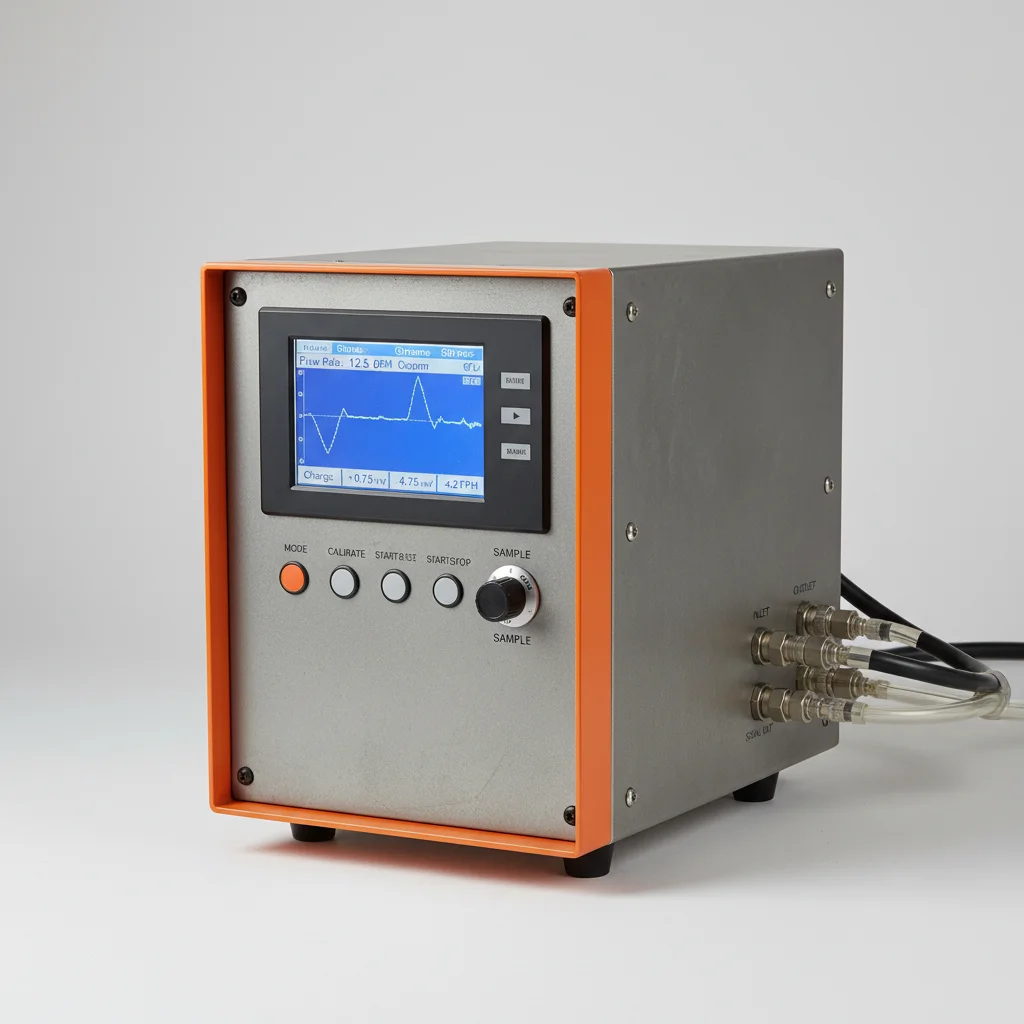
Water quality analyzers are essential tools in safeguarding public health and environmental sustainability. Globally, access to clean water is a fundamental human right, yet billions lack reliable access, facing risks from waterborne diseases and industrial contaminants. These analyzers provide the crucial data needed to assess water safety, monitor pollution levels, and ensure compliance with stringent regulatory standards. Understanding and utilizing these technologies is no longer a luxury, but a necessity for a healthy planet and thriving communities.
The demand for effective water quality monitoring is driven by increasing industrialization, agricultural runoff, and climate change impacts. Water scarcity and pollution pose significant threats to economies, ecosystems, and human wellbeing. water quality analyzers empower informed decision-making, enabling proactive measures to protect water resources. The growth in sophisticated sensor technologies and data analytics is making monitoring more accessible and efficient.
Fundamentally, water quality analyzers are instruments designed to assess the physical, chemical, and biological characteristics of water samples. They range from simple test kits for basic parameters like pH and chlorine levels to complex laboratory equipment capable of identifying trace contaminants. Their application spans diverse sectors, including municipal water treatment, environmental monitoring, food and beverage production, and pharmaceutical manufacturing, playing a critical role in modern industry and humanitarian efforts.
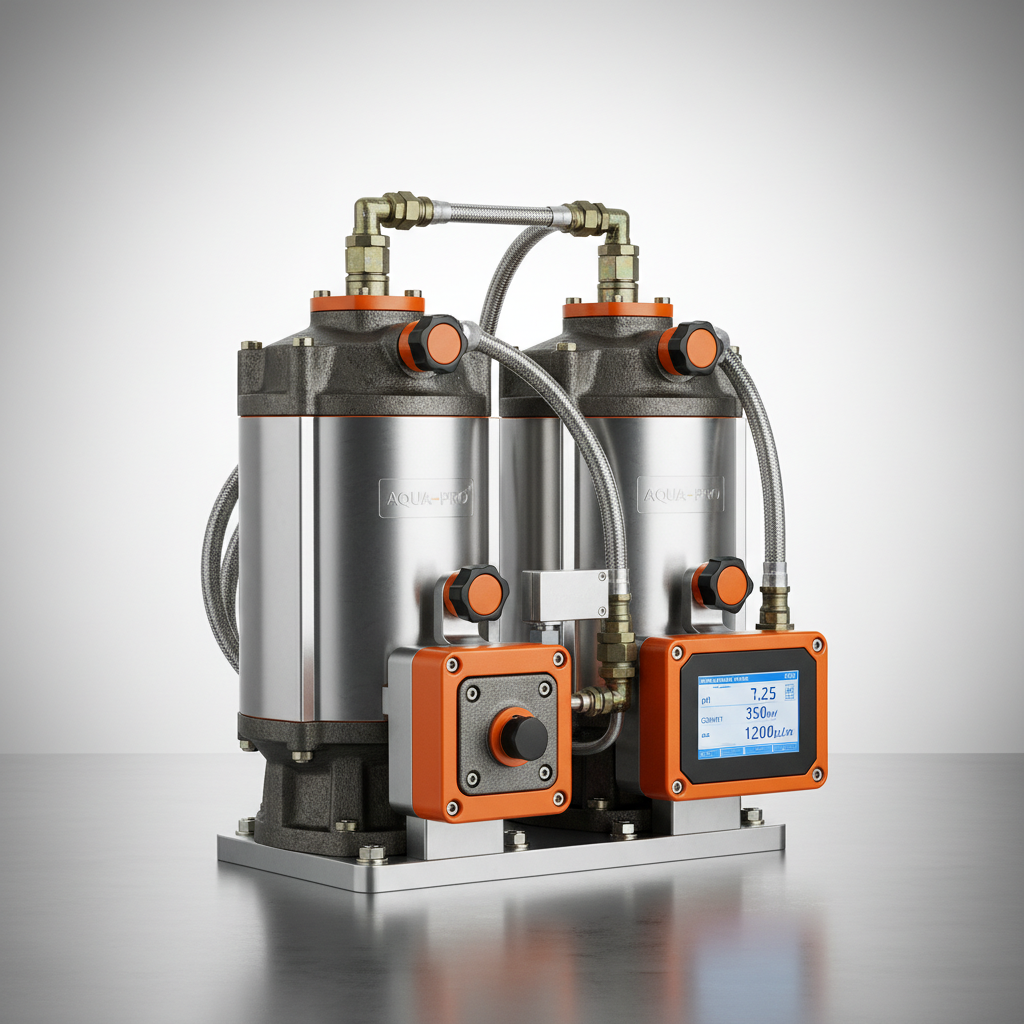
The Global Significance of water quality analyzers
The United Nations estimates that over 2 billion people lack access to safely managed drinking water services. This lack of access contributes to millions of preventable deaths annually, primarily from waterborne diseases. water quality analyzers are instrumental in identifying and mitigating these risks, providing data to implement effective water treatment strategies and ensure public health. The World Bank actively invests in water quality monitoring programs in developing countries, recognizing the link between water security and economic growth.
Furthermore, industrial discharge and agricultural runoff contribute to widespread water pollution, impacting ecosystems and biodiversity. Regulations like those set by the ISO 17025 standard for testing and calibration laboratories emphasize the need for accurate and reliable water quality data. The increasing awareness of microplastics and emerging contaminants is driving demand for more sophisticated analytical techniques, making the role of water quality analyzers more crucial than ever before.
Defining Water Quality Analyzers
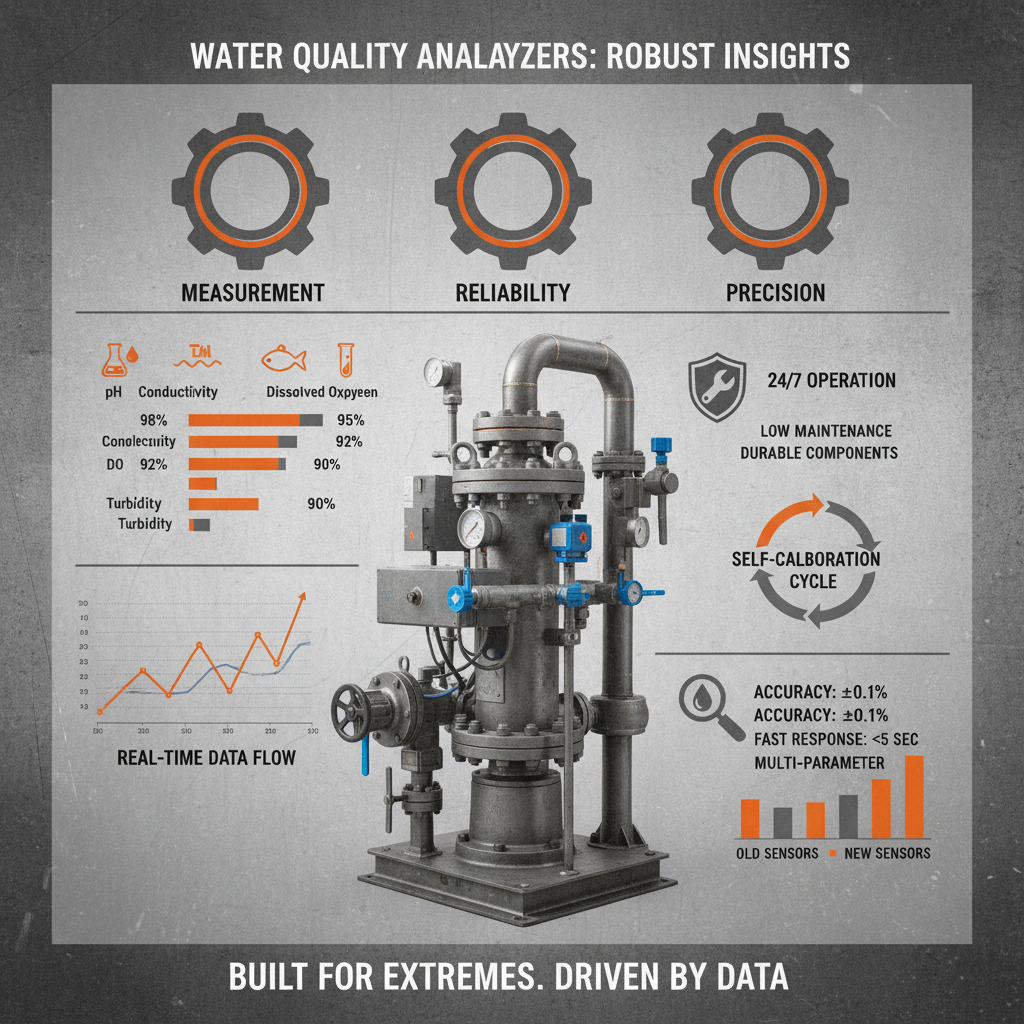
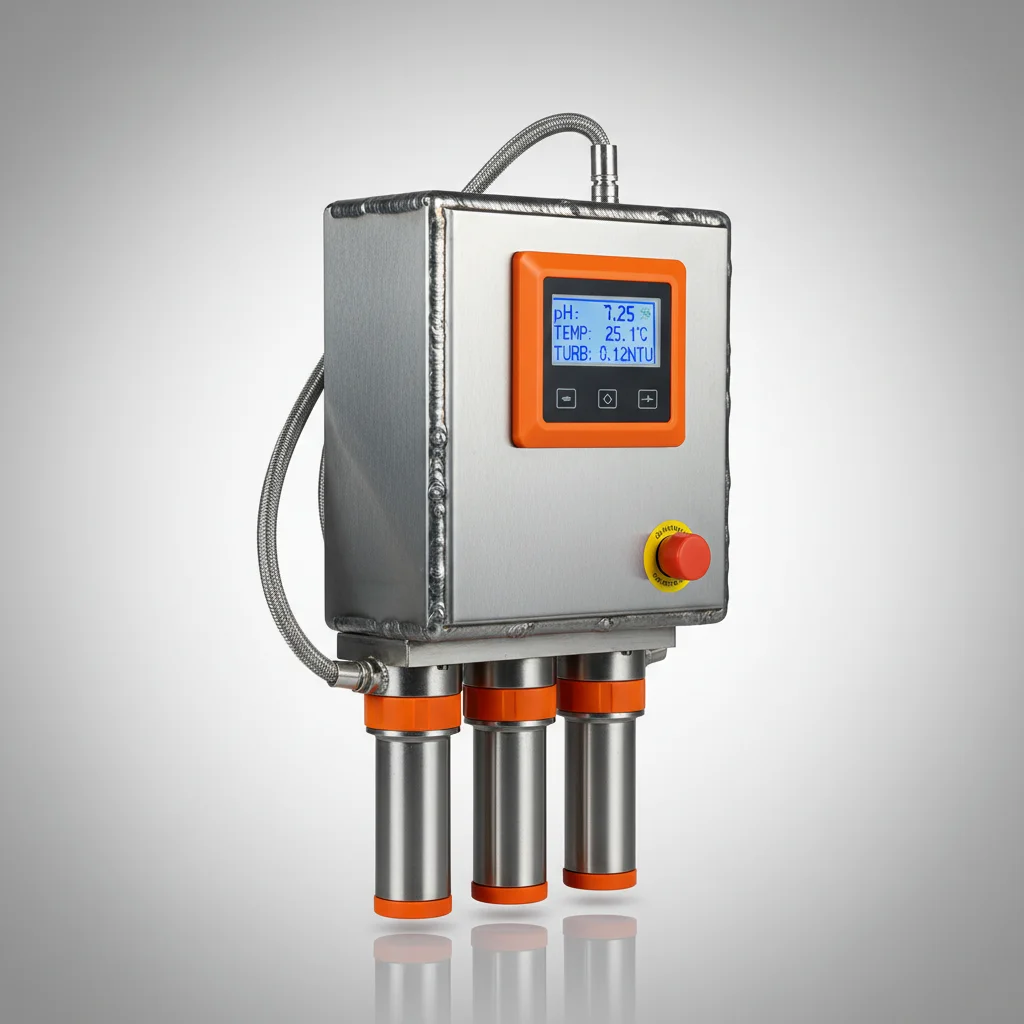
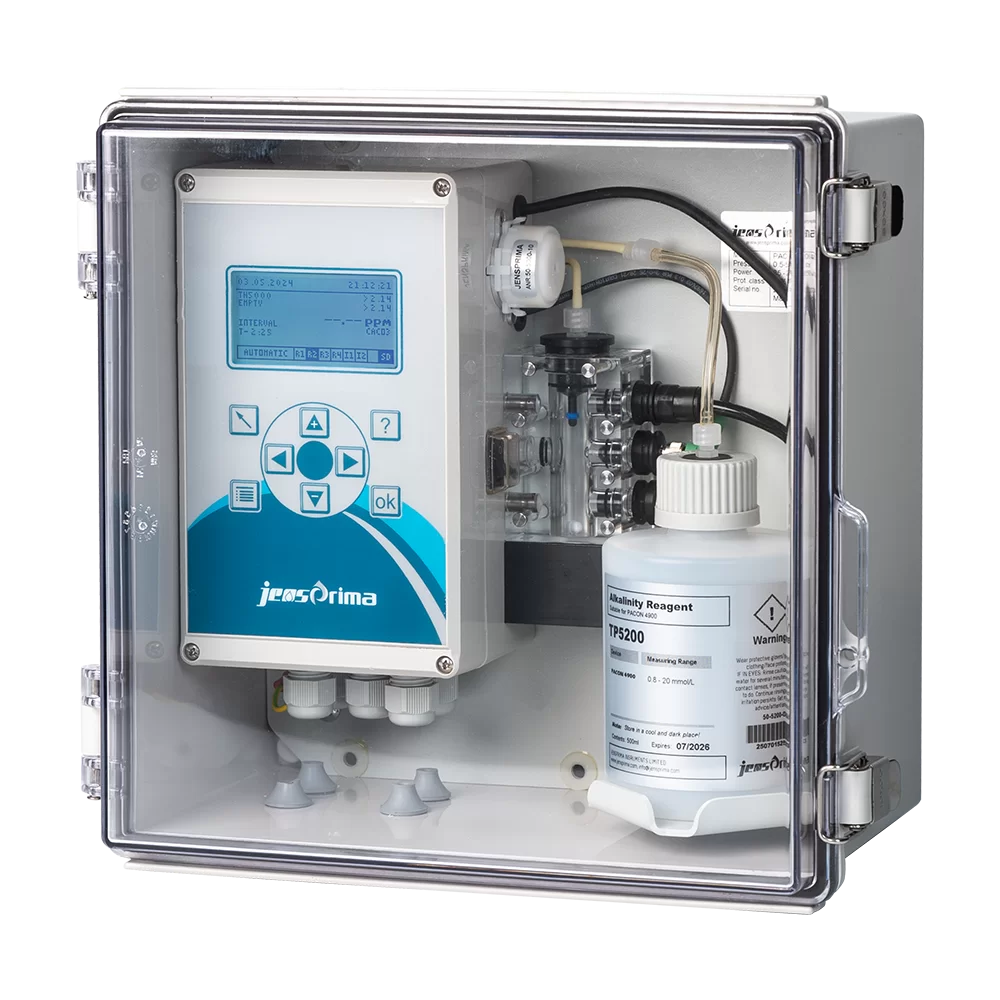
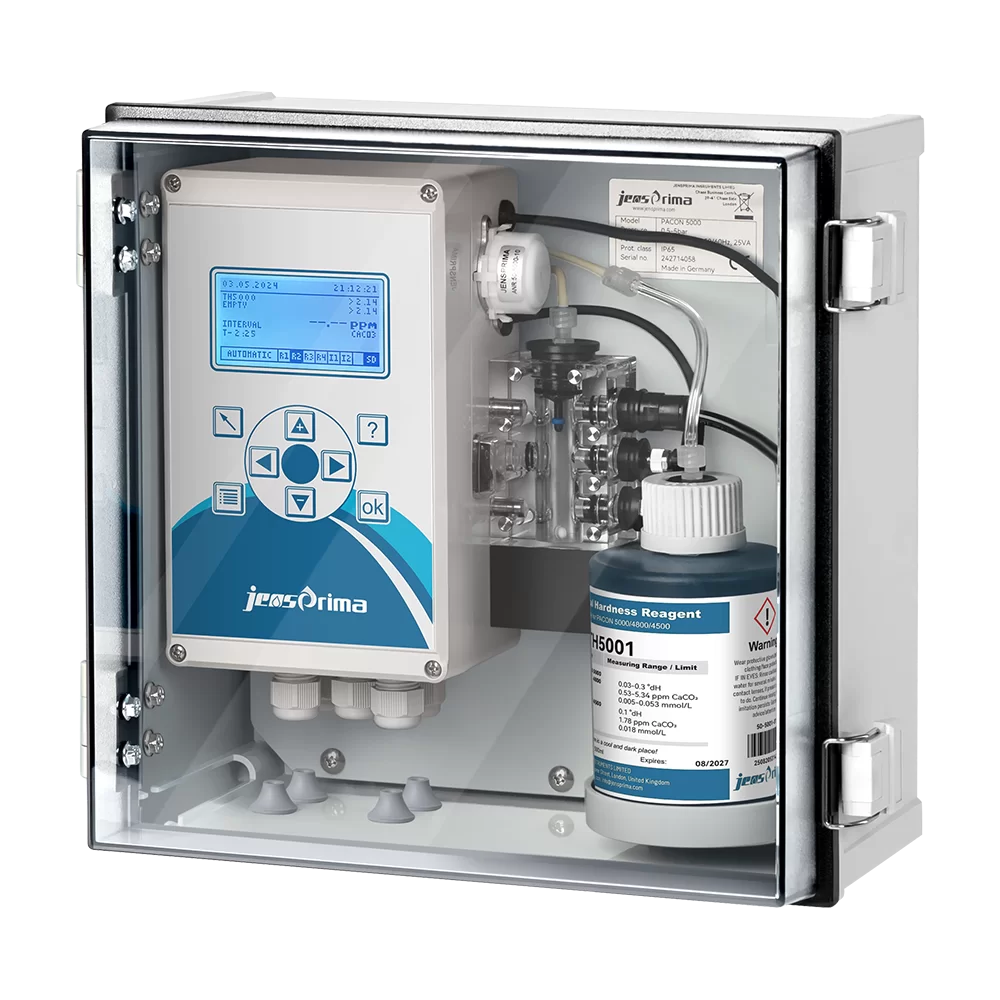
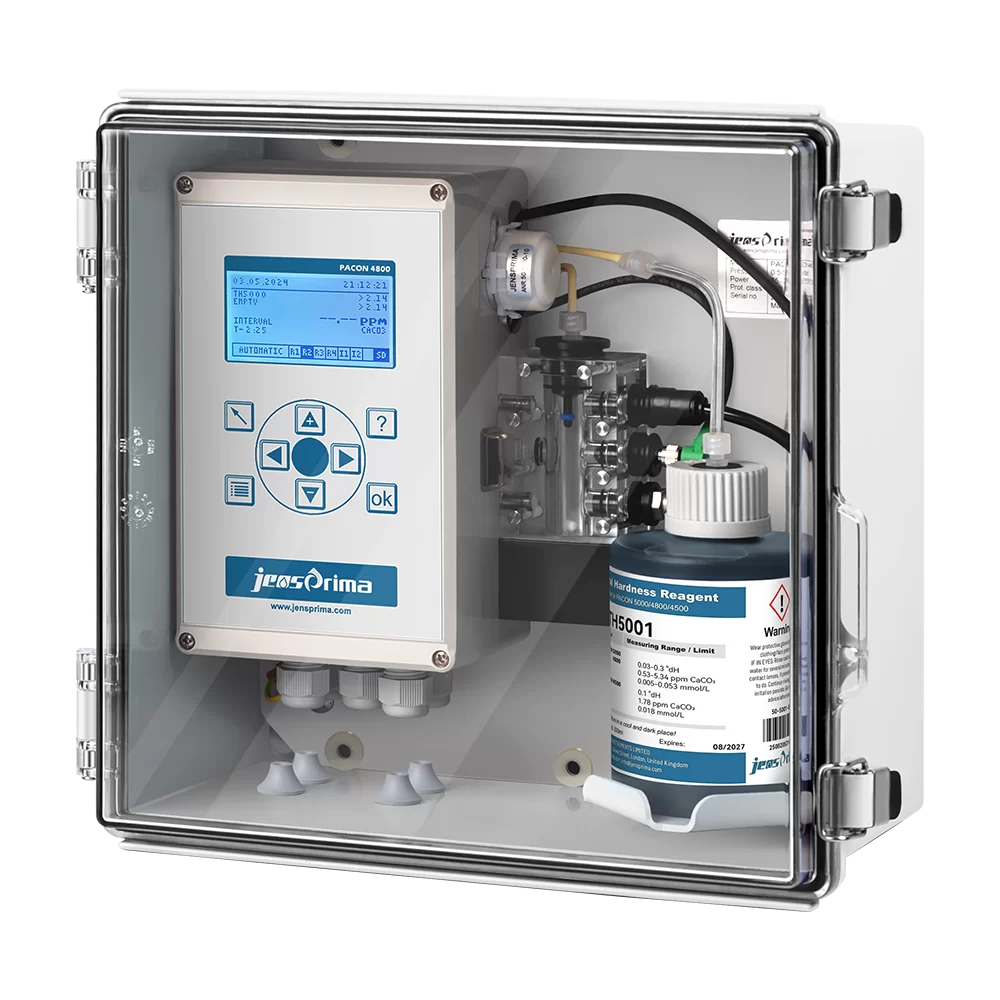
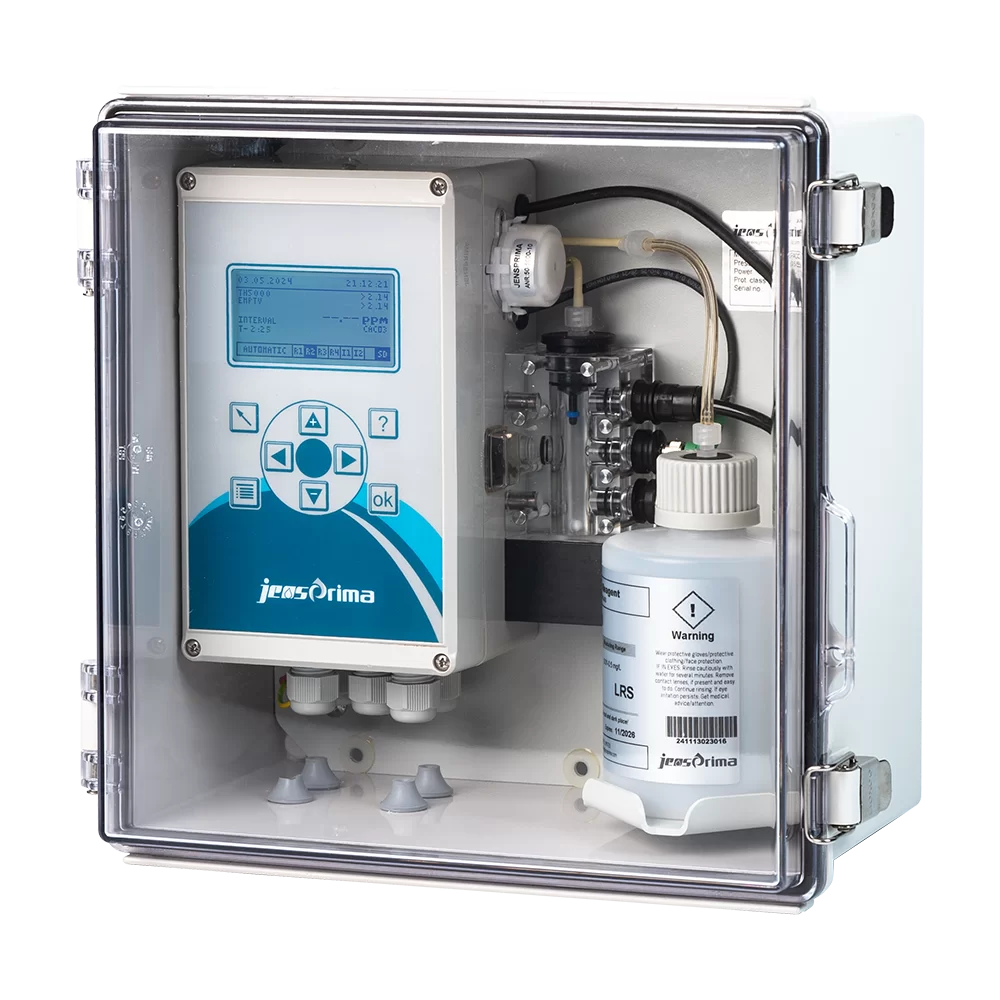
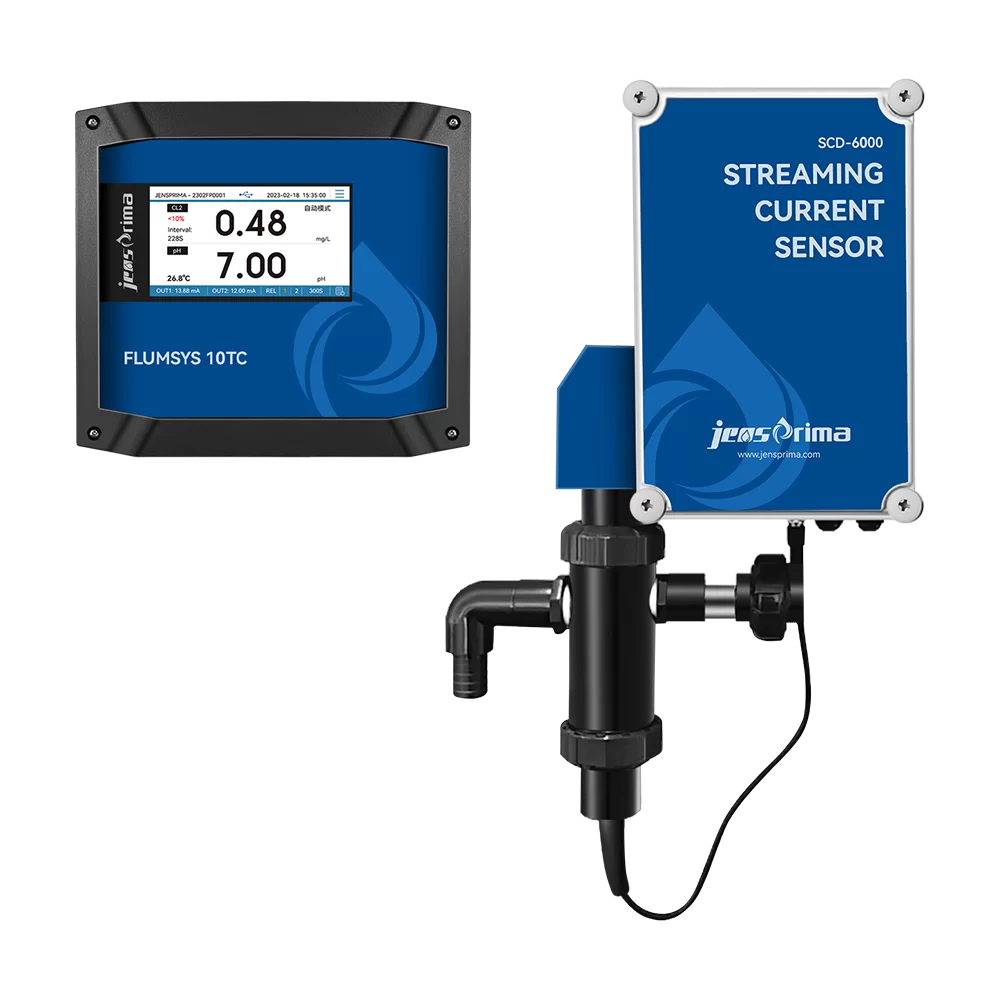
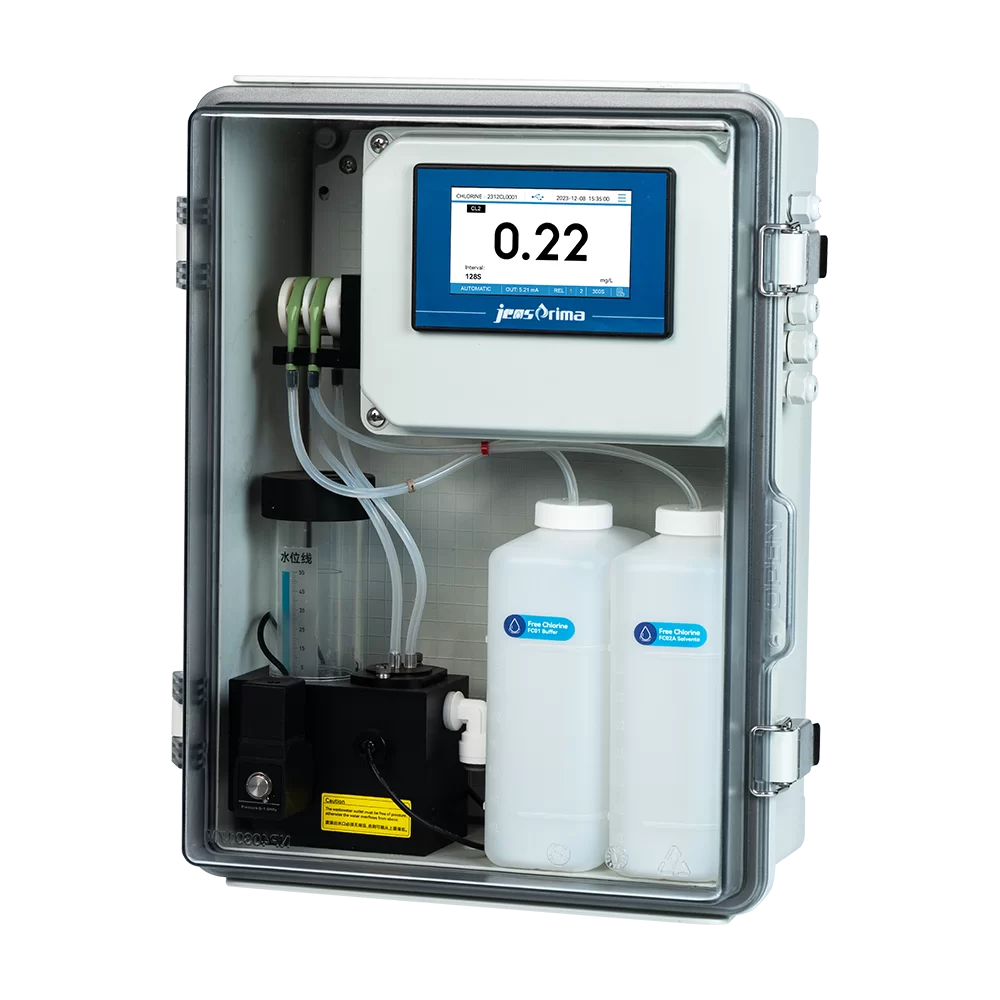
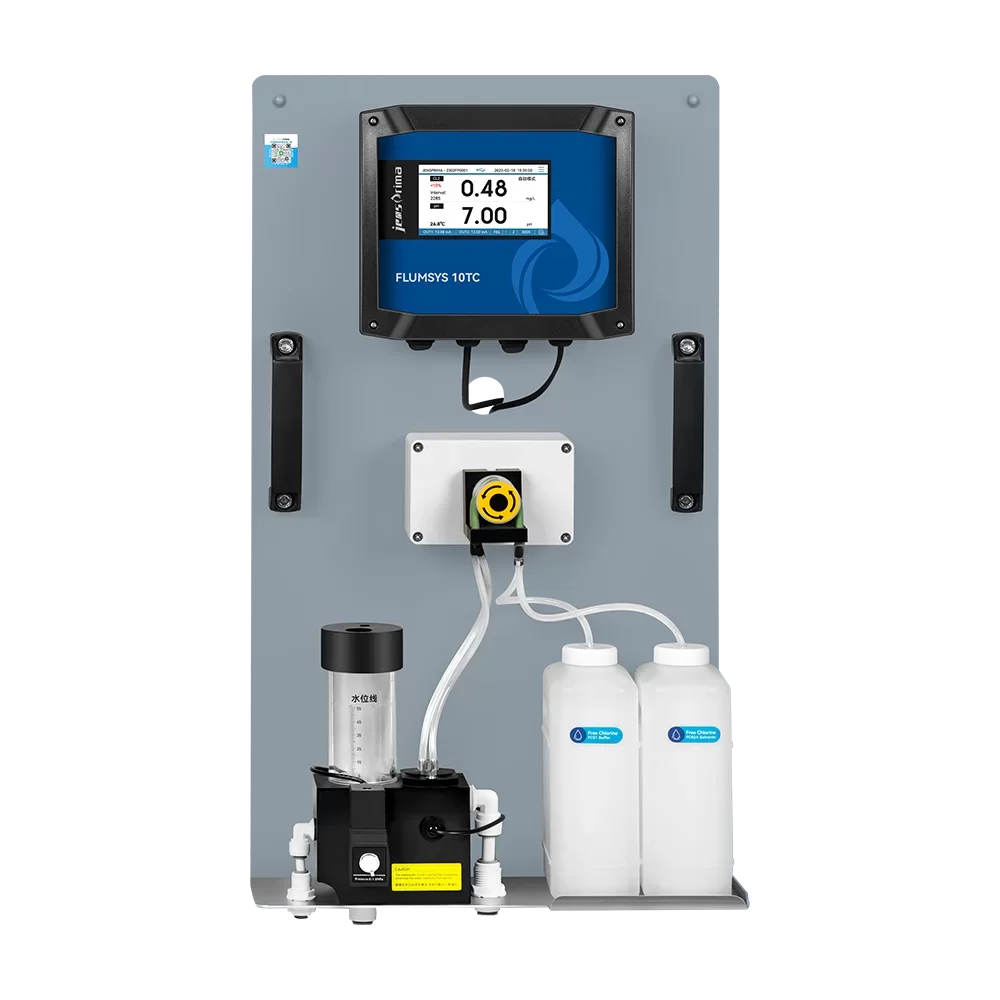
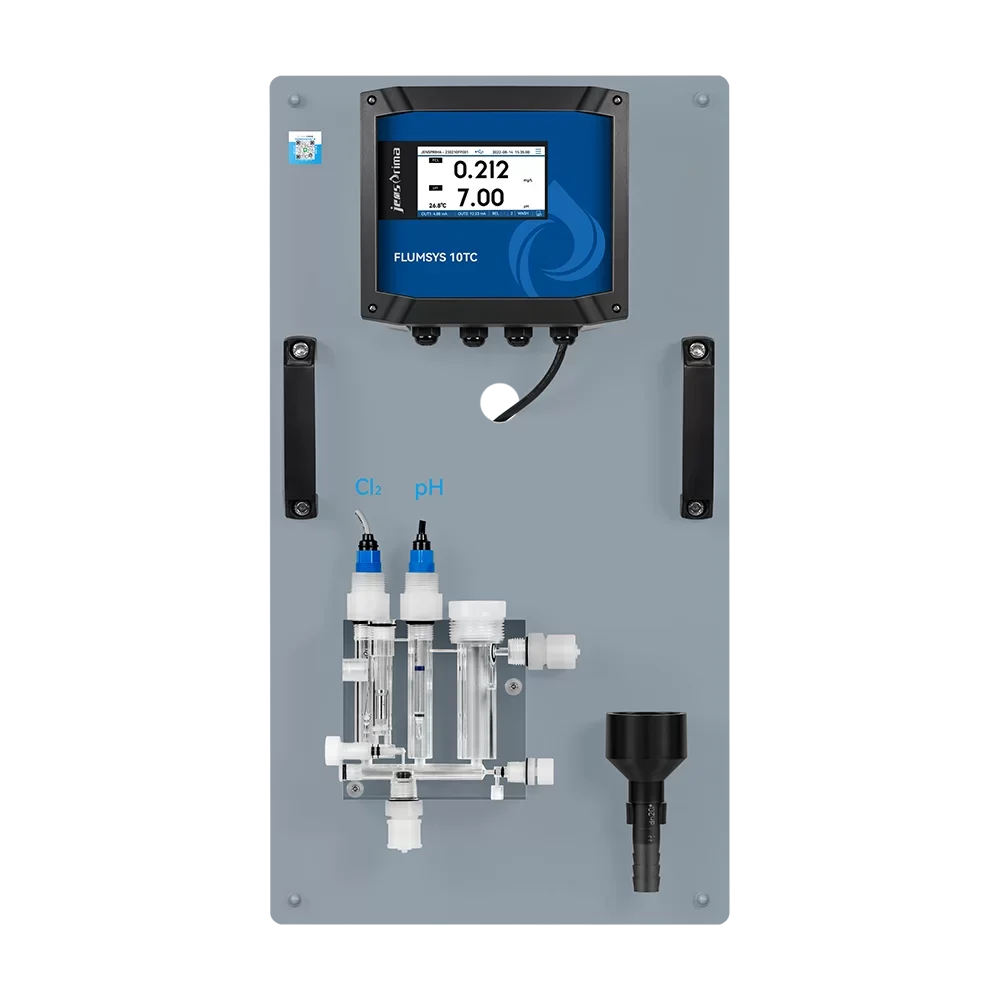
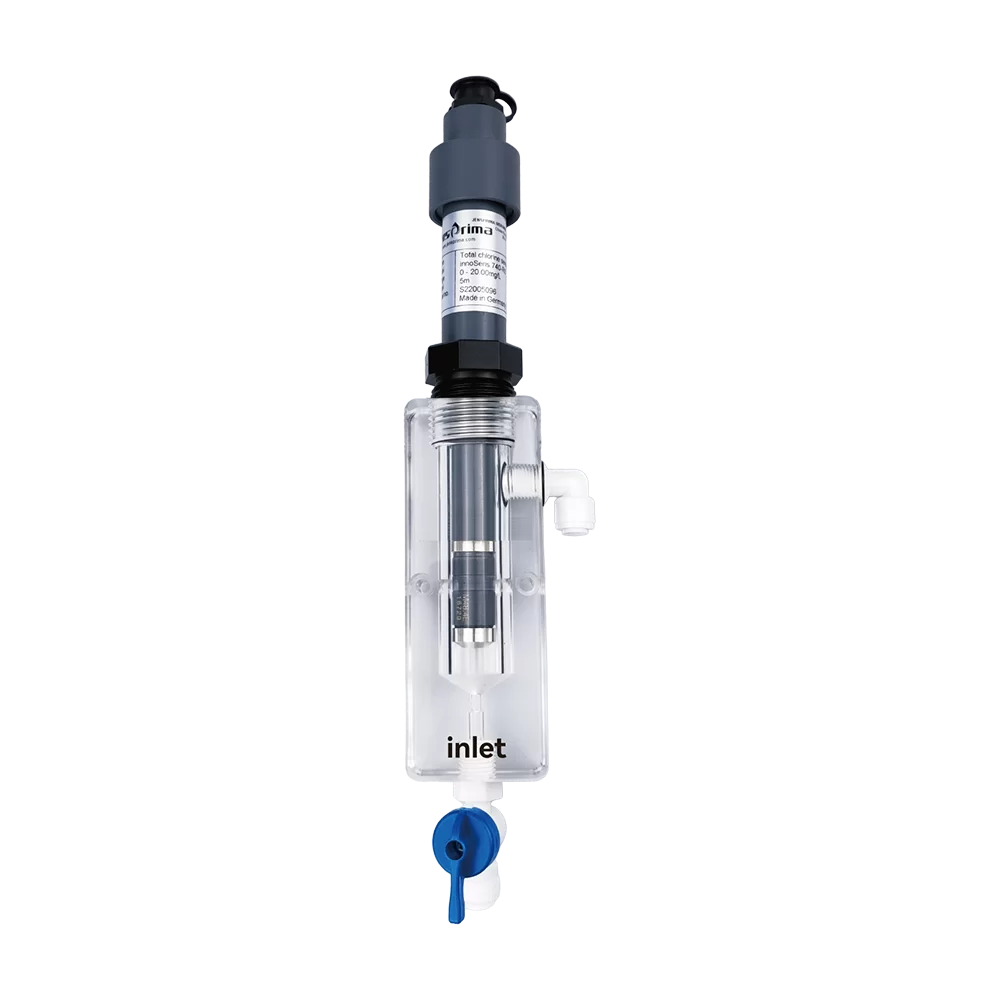
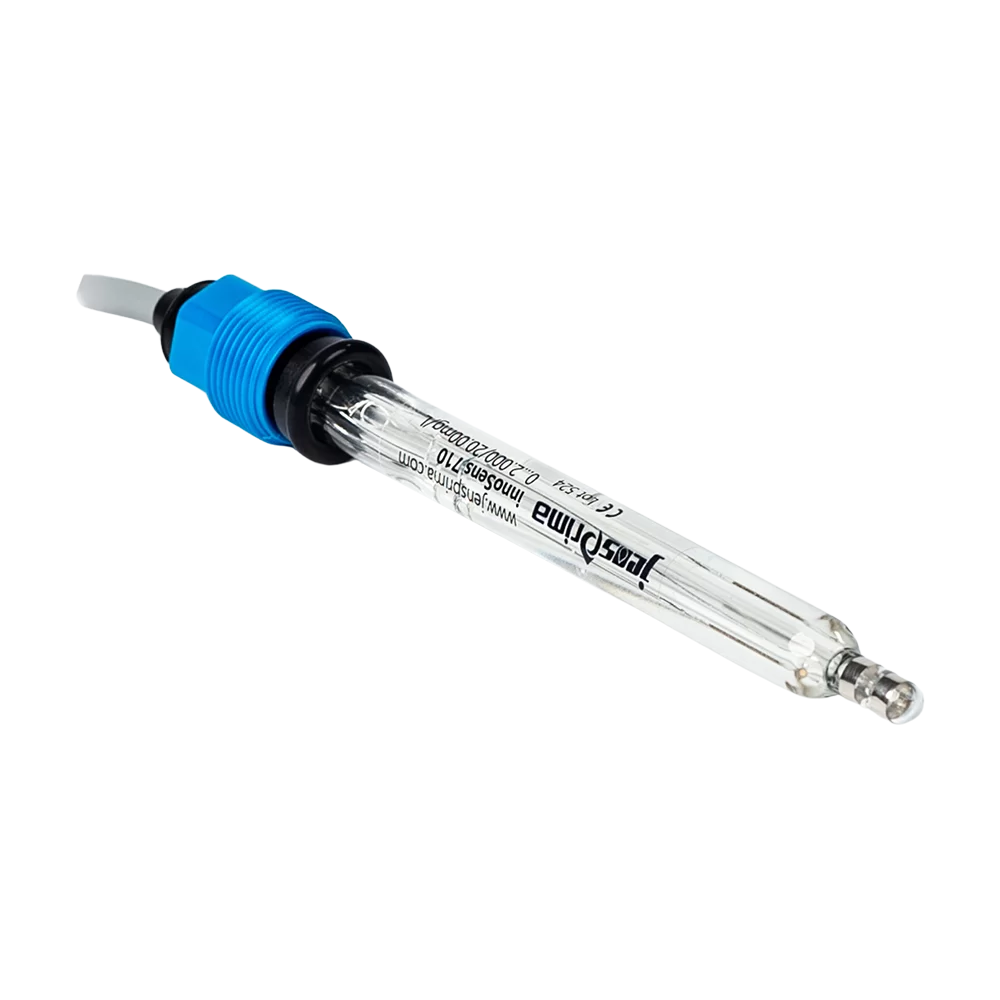
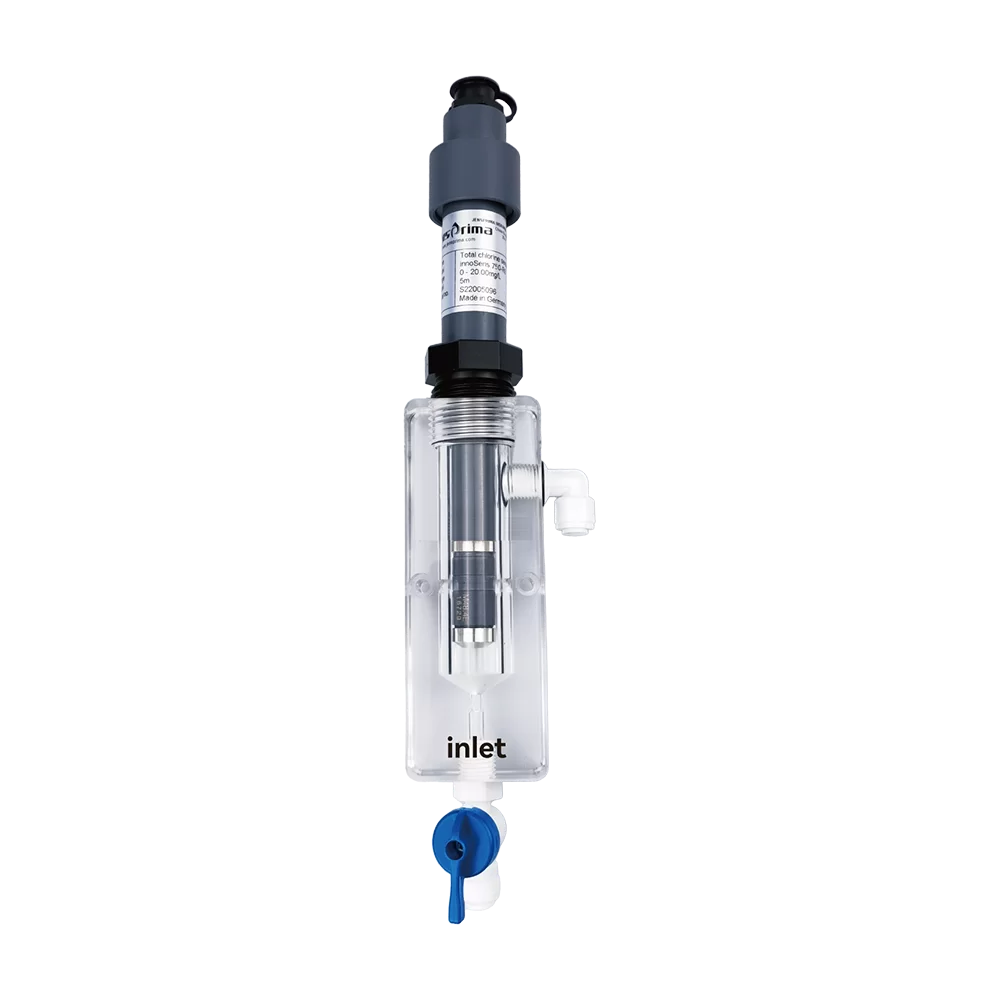
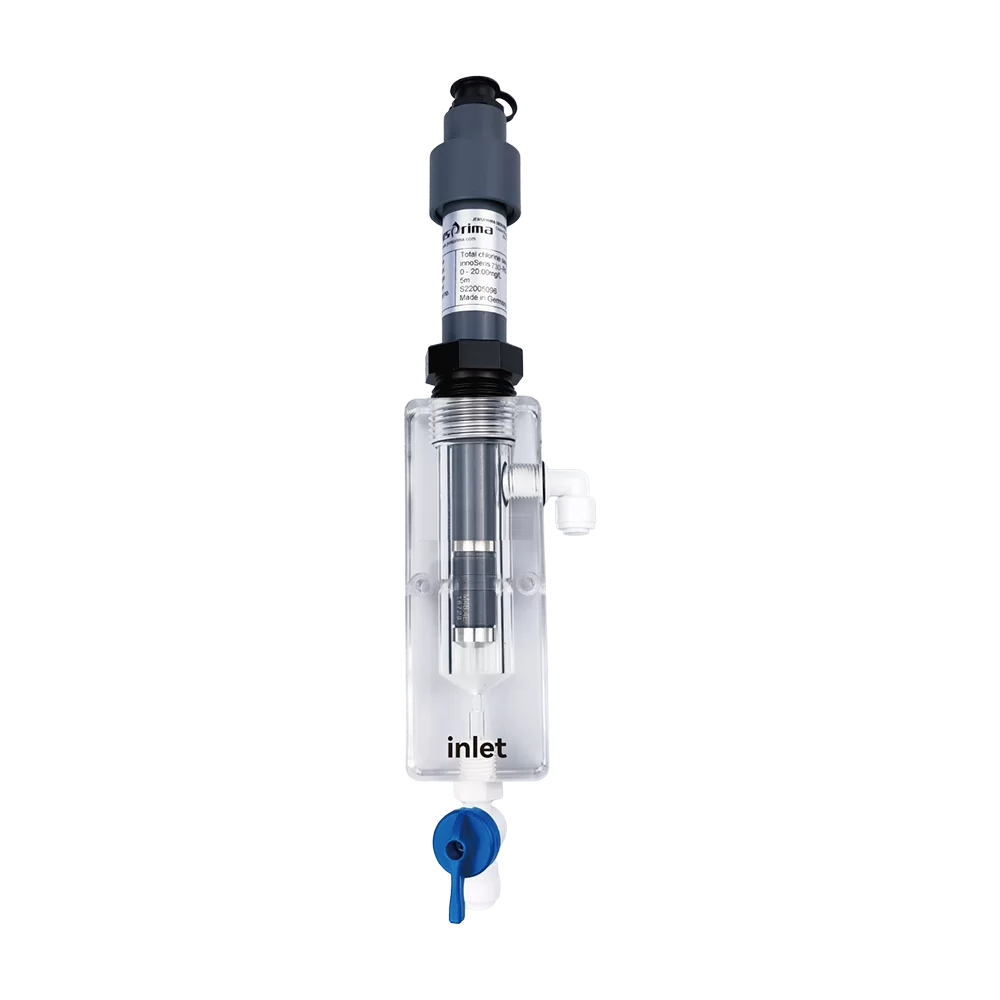
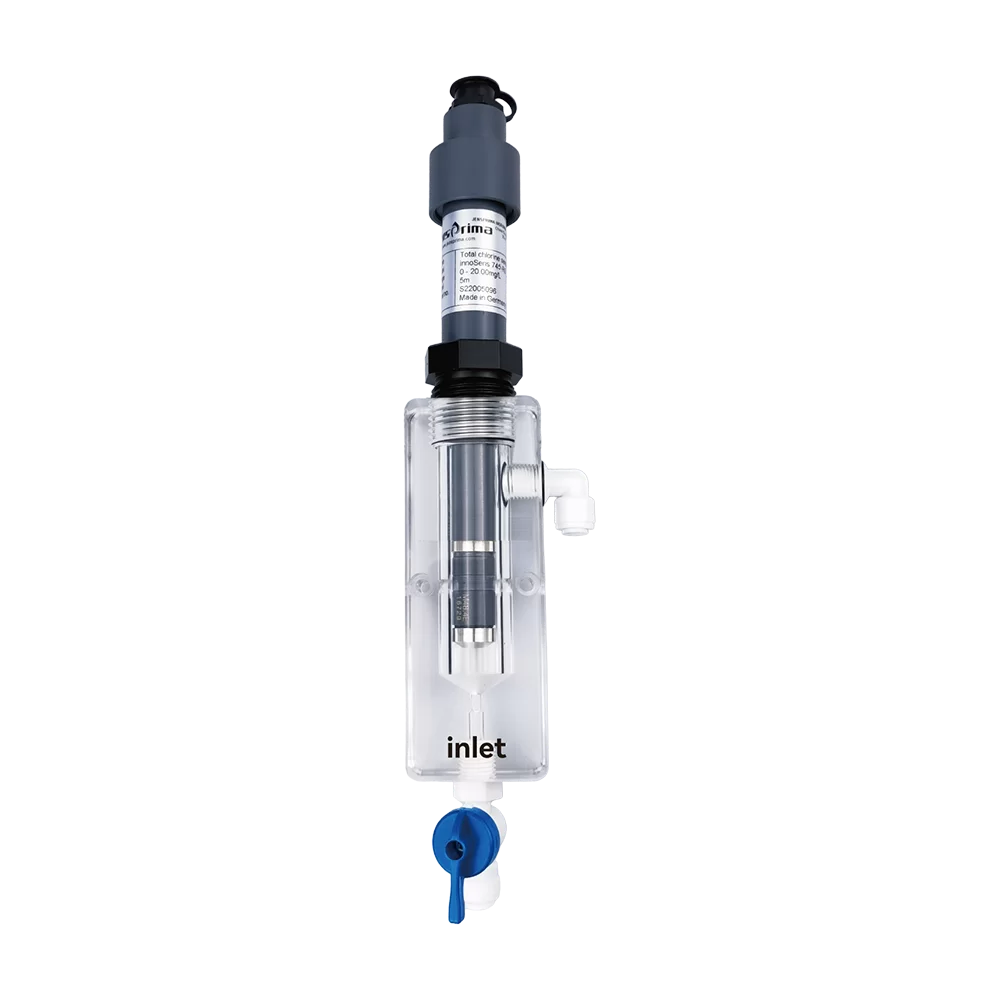
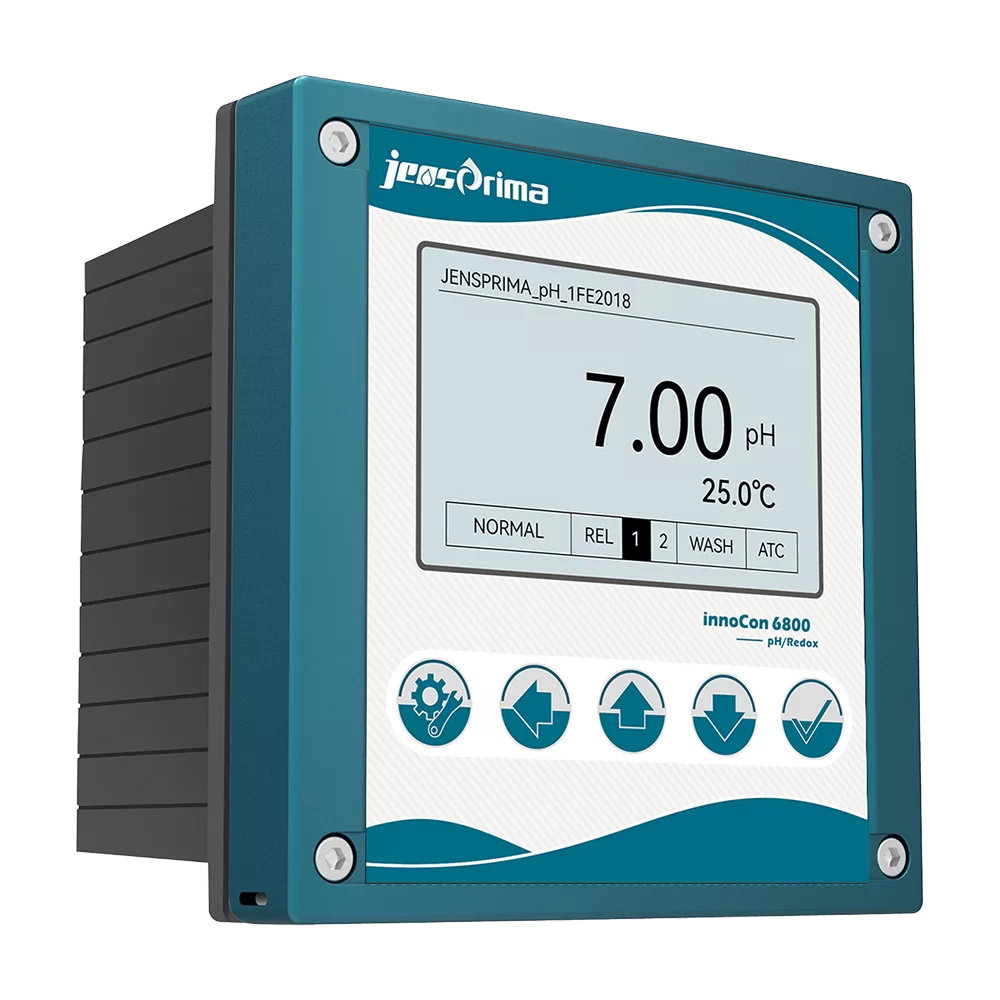
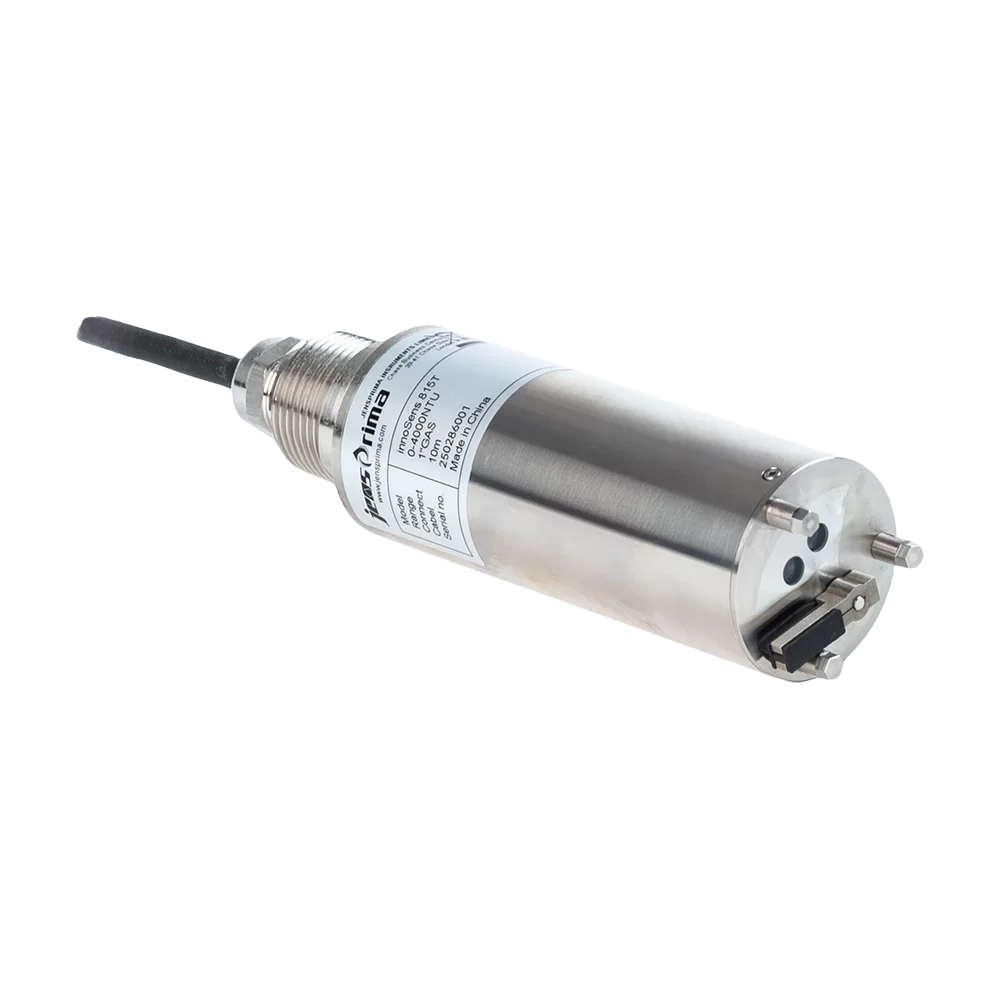
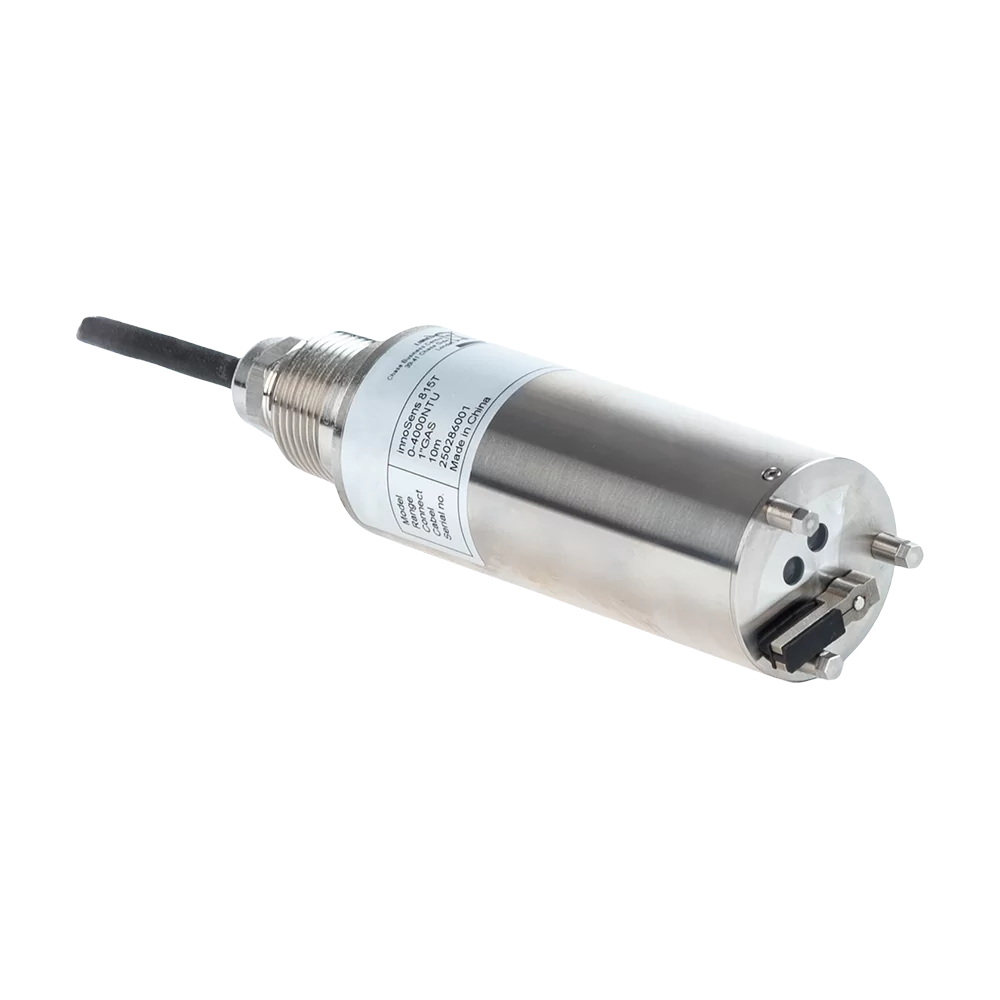
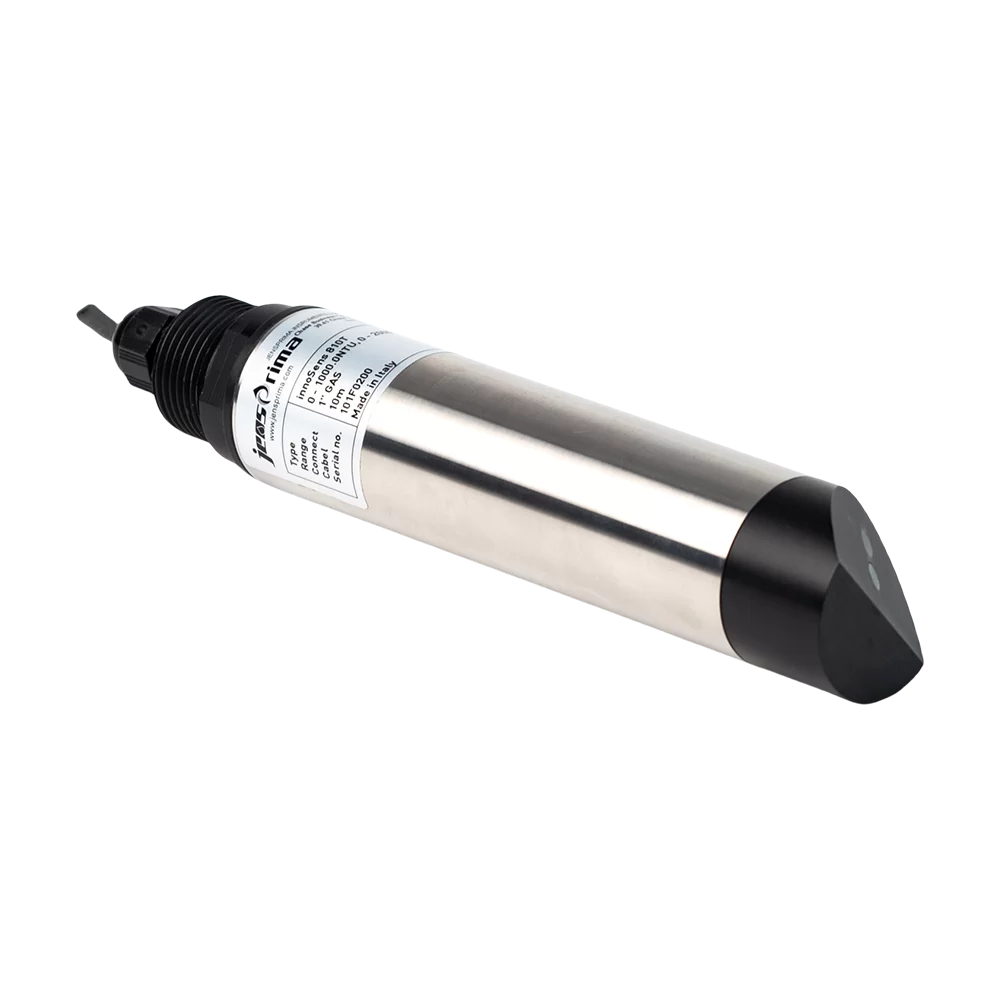
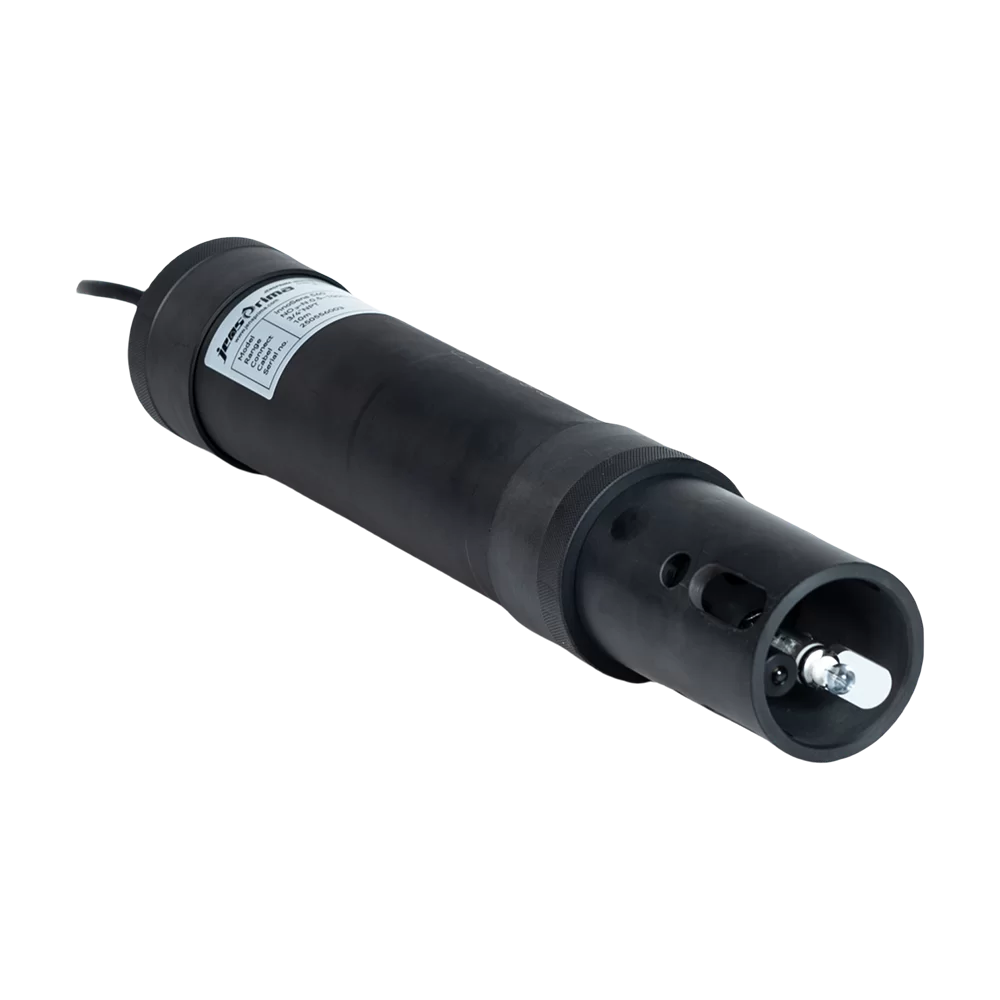
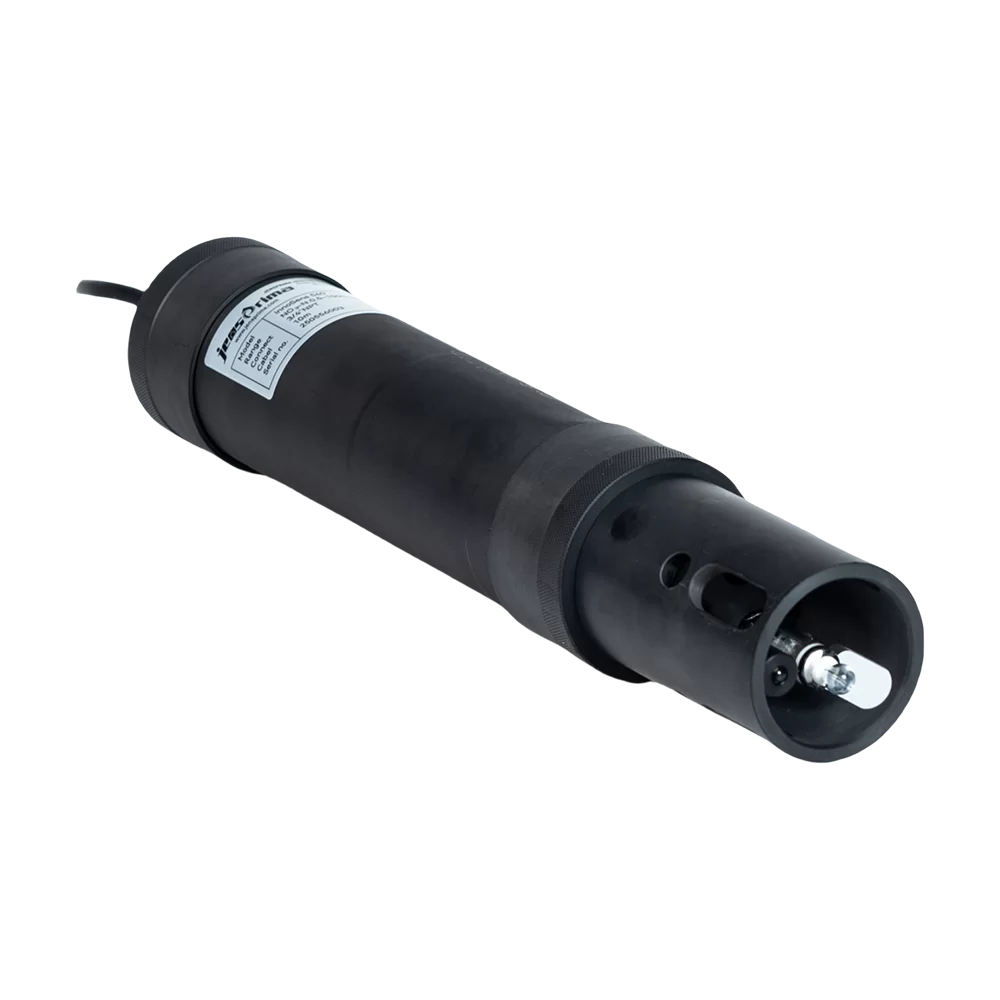
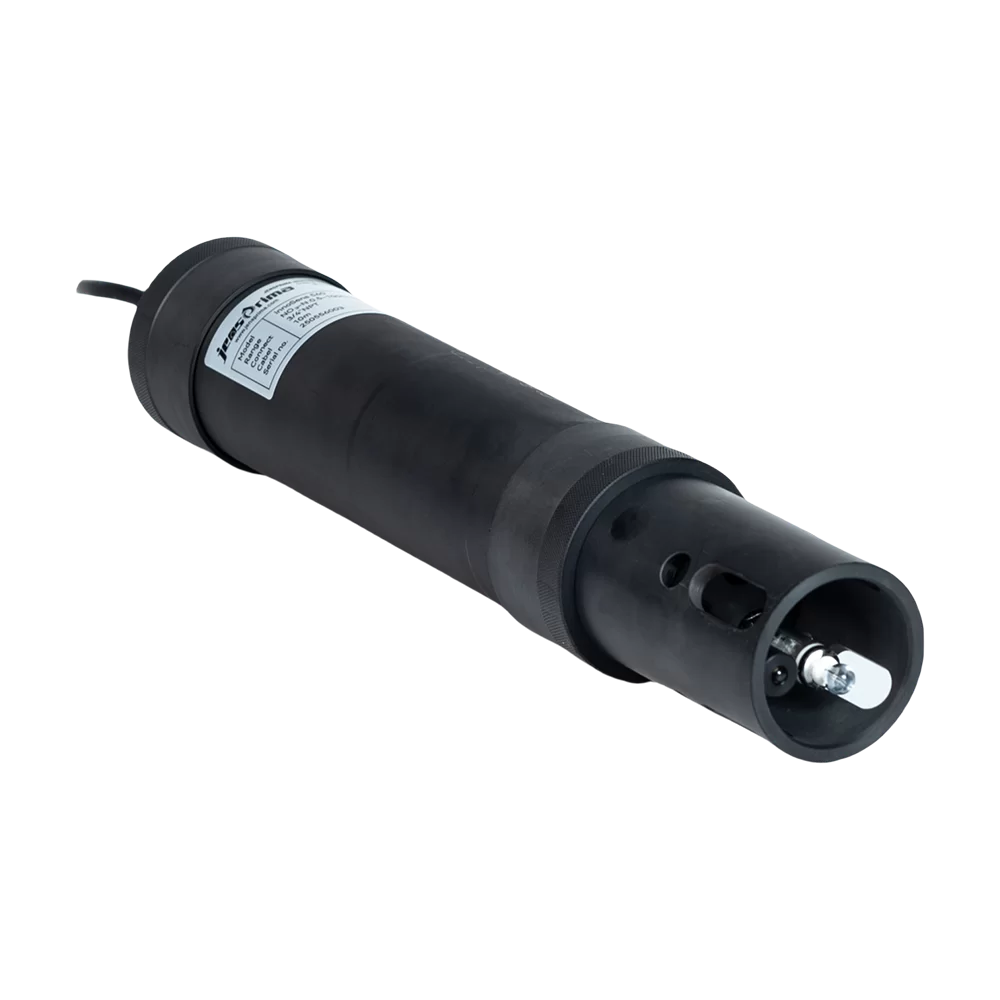
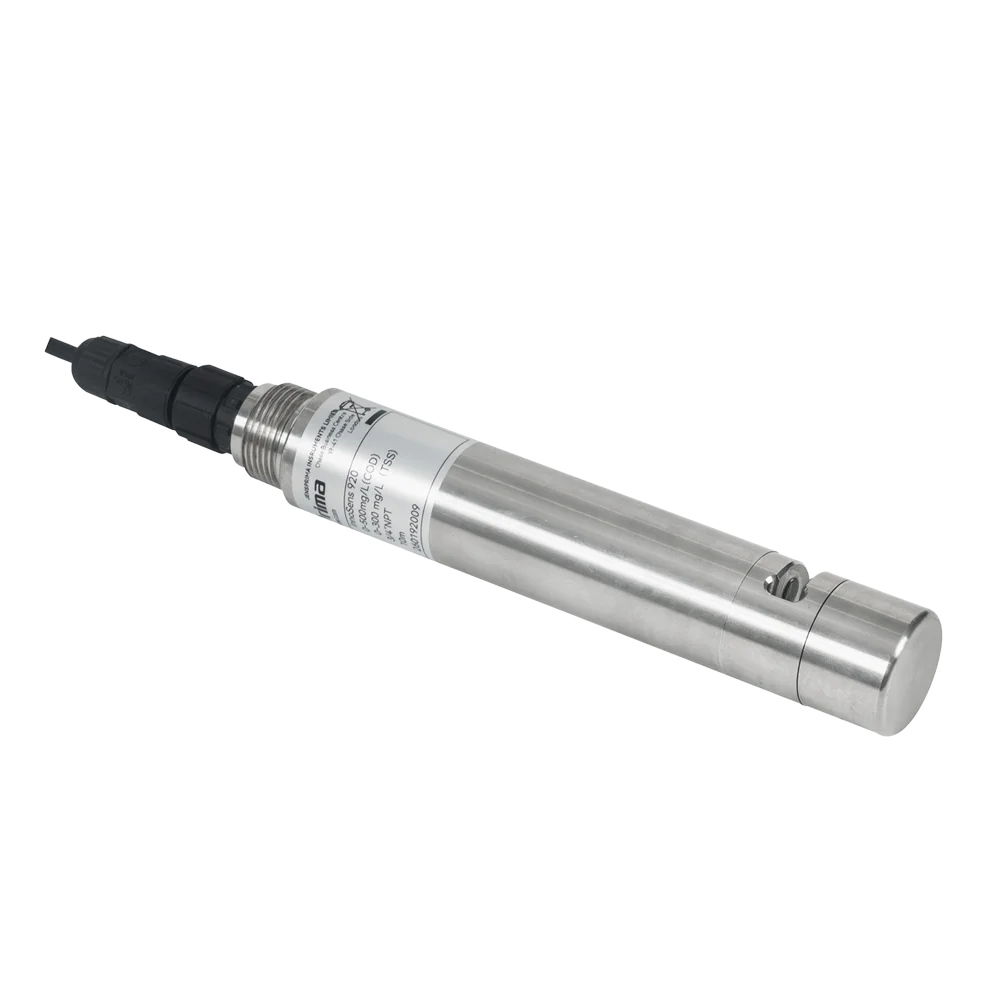
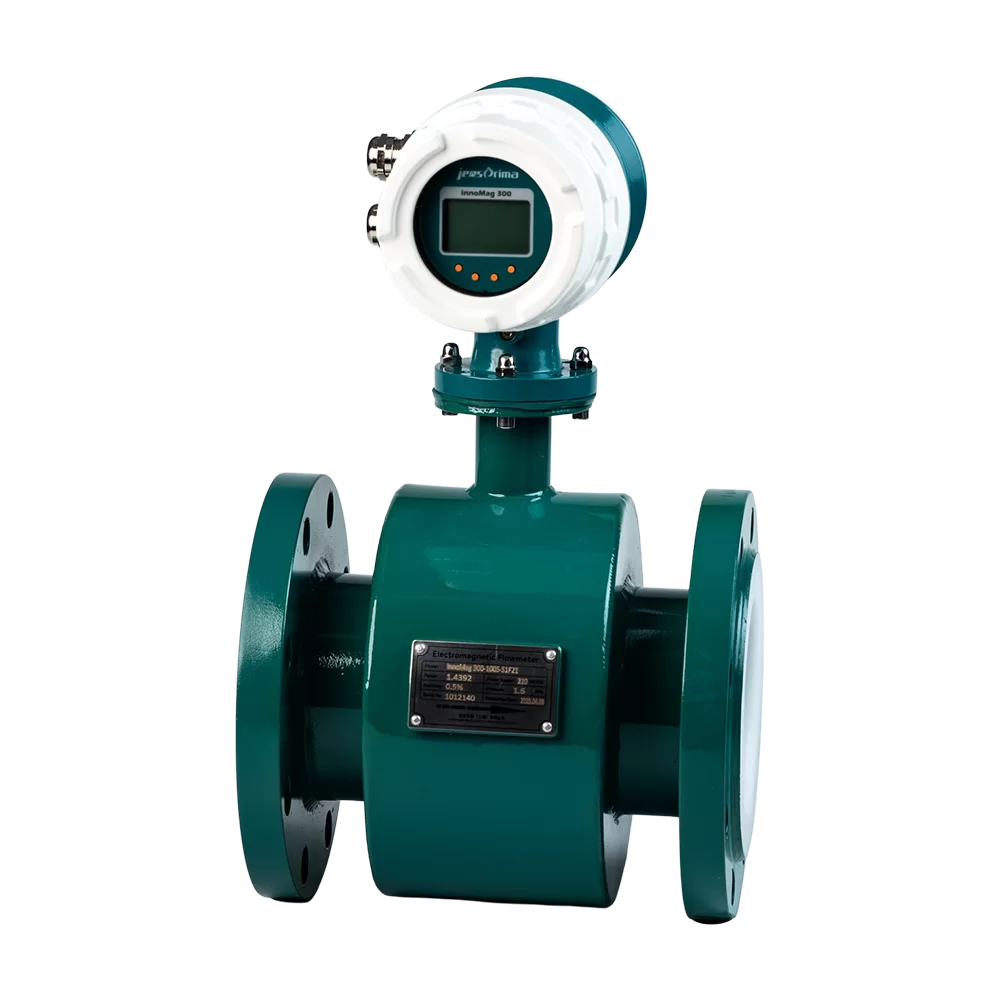
At its core, a water quality analyzer is a device or a suite of devices used to determine the chemical, physical, and biological characteristics of water. These characteristics, often referred to as parameters, encompass a wide range of factors, including pH, turbidity, dissolved oxygen, salinity, heavy metal concentrations, and the presence of harmful microorganisms. Analyzers utilize various sensing technologies, such as electrochemical sensors, spectrophotometry, and chromatography, to measure these parameters.
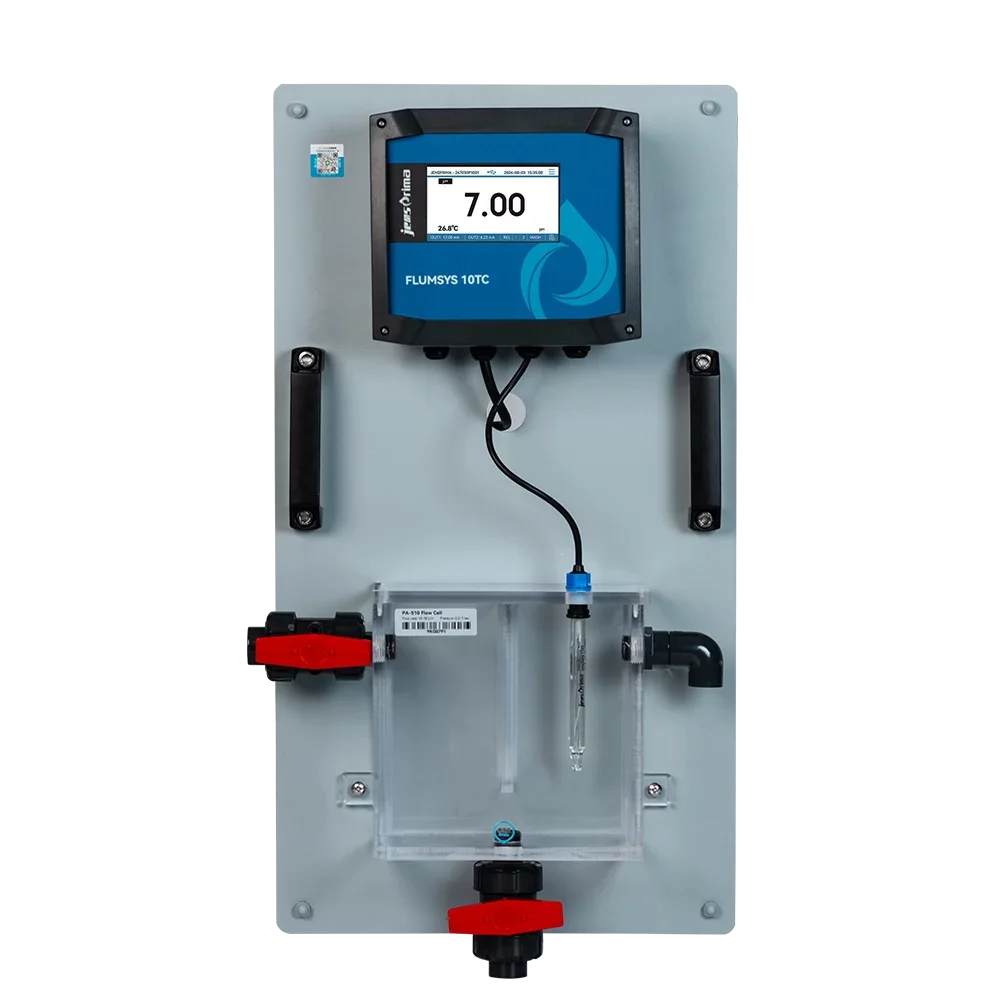
These tools are not solely confined to laboratory settings. Portable and field-deployable water quality analyzers enable real-time monitoring in remote locations, offering immediate insights into water conditions. This capability is particularly valuable in disaster relief scenarios, environmental impact assessments, and ongoing monitoring of water sources. Modern analyzers increasingly integrate with digital platforms, allowing for data logging, remote access, and automated reporting.
The connection to modern needs is profound. From ensuring the safety of municipal drinking water supplies to monitoring industrial wastewater discharge, these analyzers provide the data necessary to comply with environmental regulations, protect public health, and maintain sustainable water resource management.
Key Characteristics of Effective Analyzers
Durability is paramount, especially when deploying analyzers in harsh environmental conditions or remote locations. Instruments need to withstand temperature fluctuations, humidity, and potential physical impact without compromising accuracy. Scalability is another essential characteristic, allowing users to adapt the analyzer's capabilities to changing monitoring needs, from simple spot checks to complex, continuous monitoring systems.
Cost efficiency plays a crucial role in the widespread adoption of water quality analyzers. While high-precision laboratory equipment can be expensive, the cost-benefit ratio is often justified by the potential to prevent costly environmental remediation or public health crises. Accuracy and precision are non-negotiable; reliable data is the foundation of informed decision-making. Ease of use and minimal maintenance requirements also contribute to the overall value proposition, reducing operational costs and ensuring consistent performance.
Finally, data integration capabilities are becoming increasingly important. Analyzers that can seamlessly connect to cloud-based platforms or existing data management systems streamline data analysis and reporting, enabling more efficient water resource management. This connectivity is vital for early warning systems and proactive interventions.
Essential Components for Optimal Performance
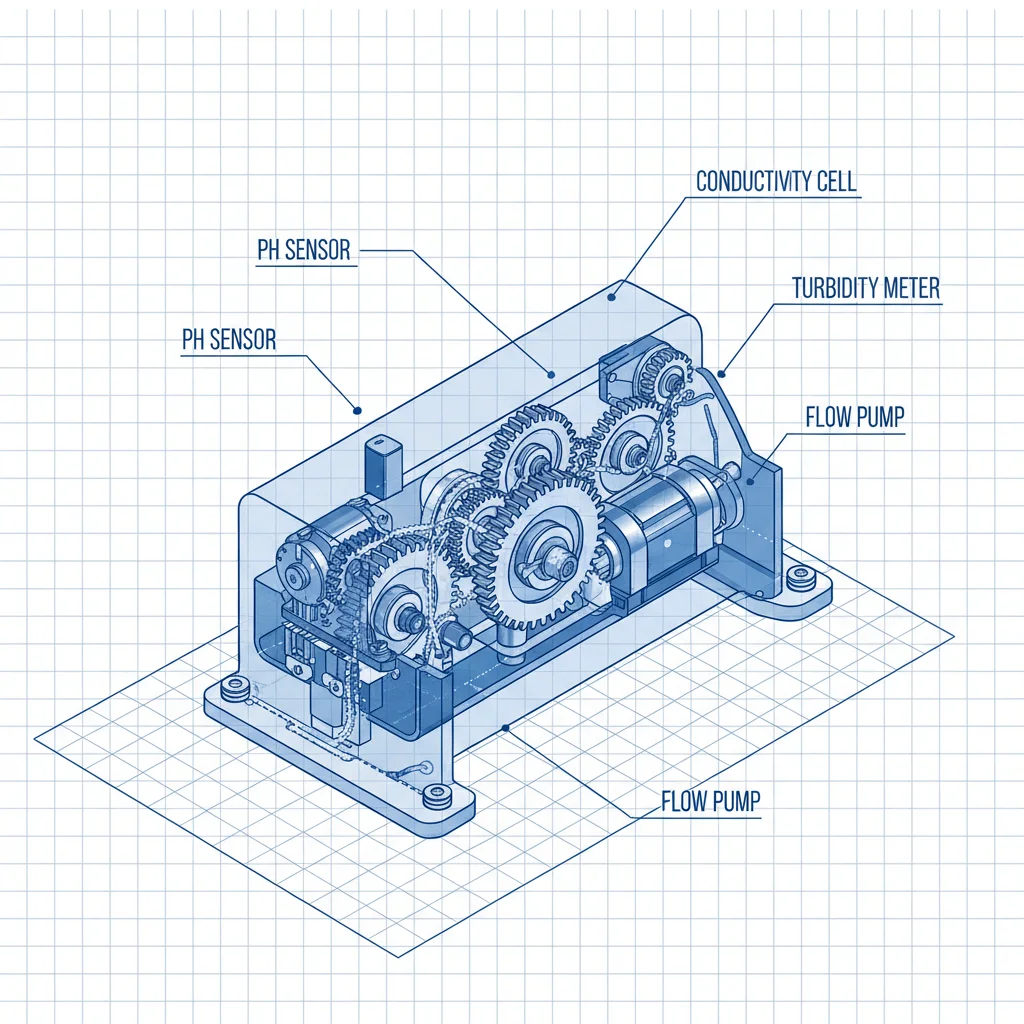
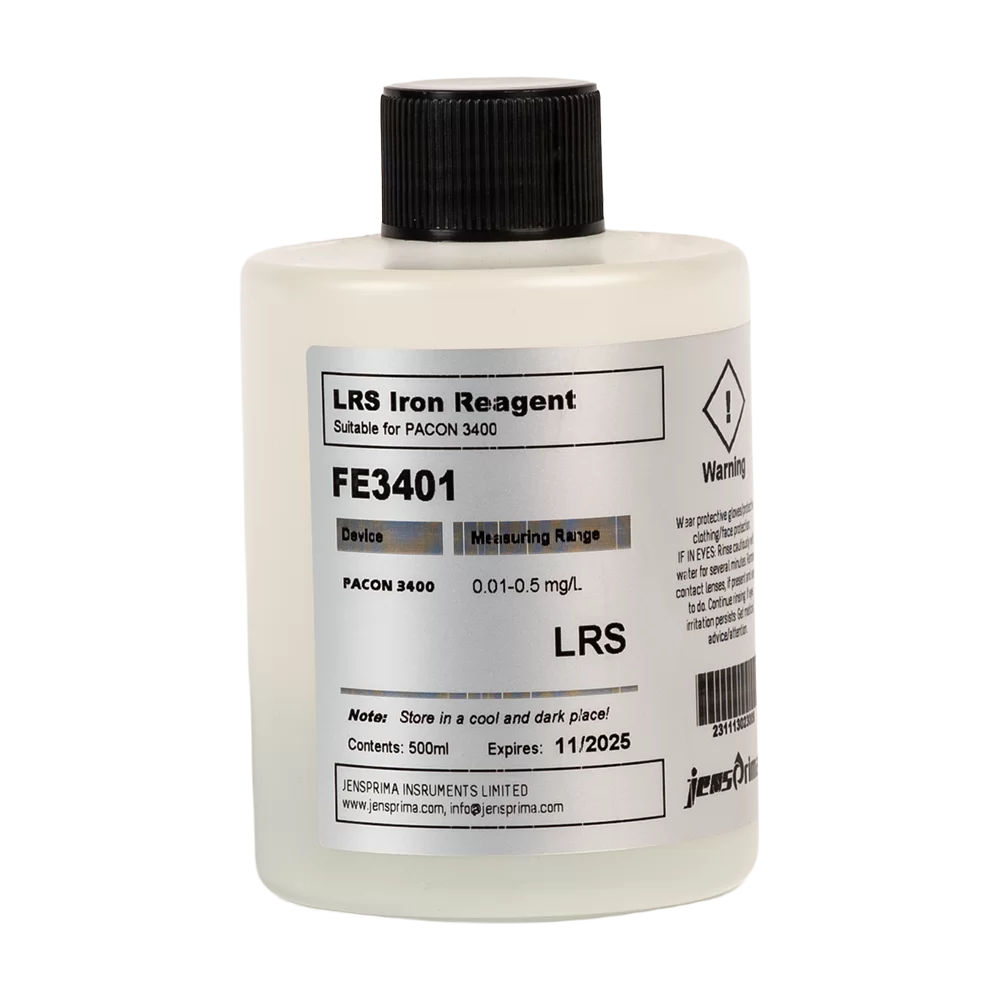
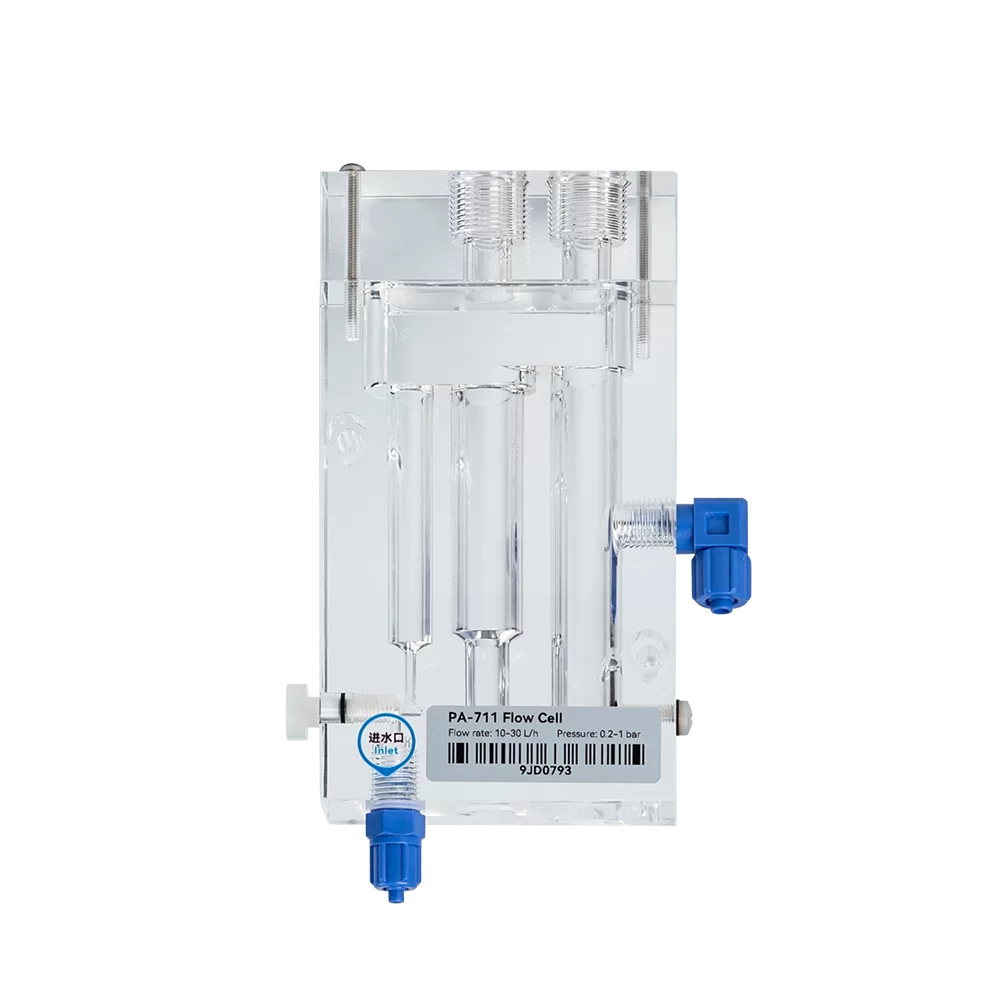
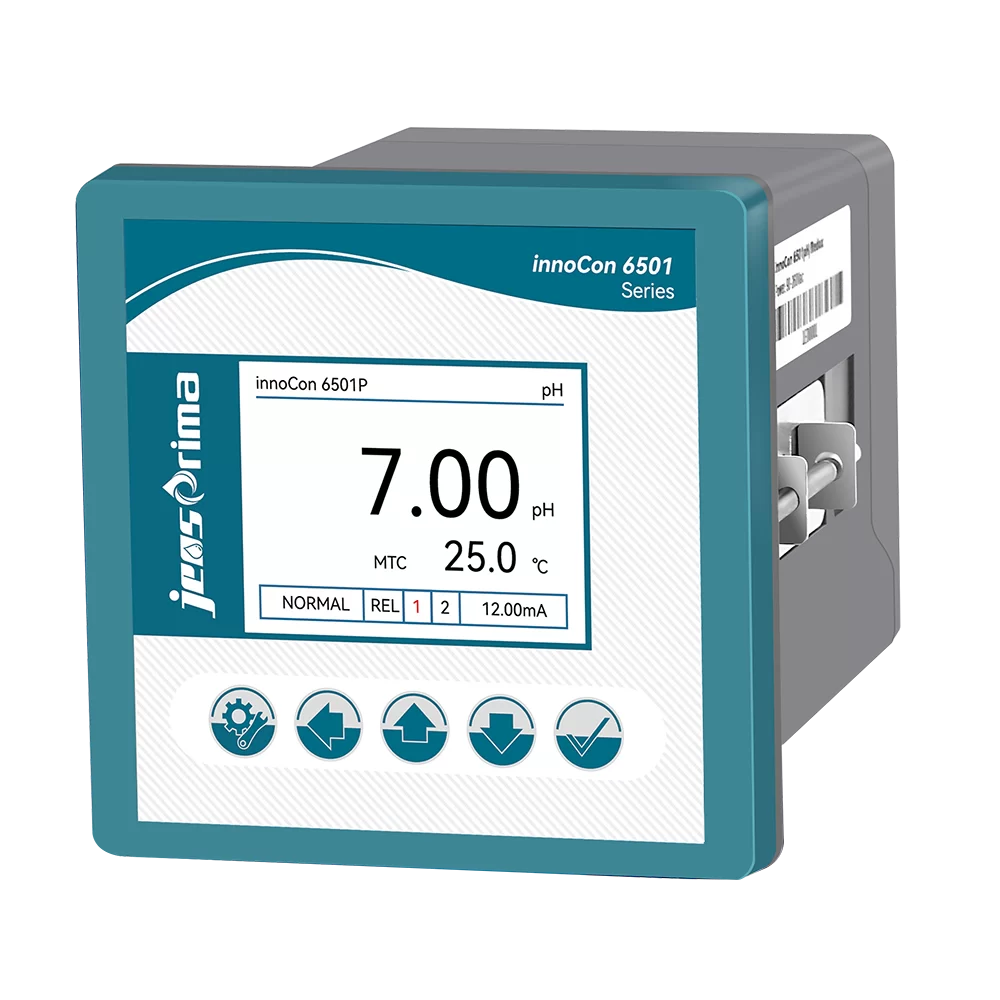
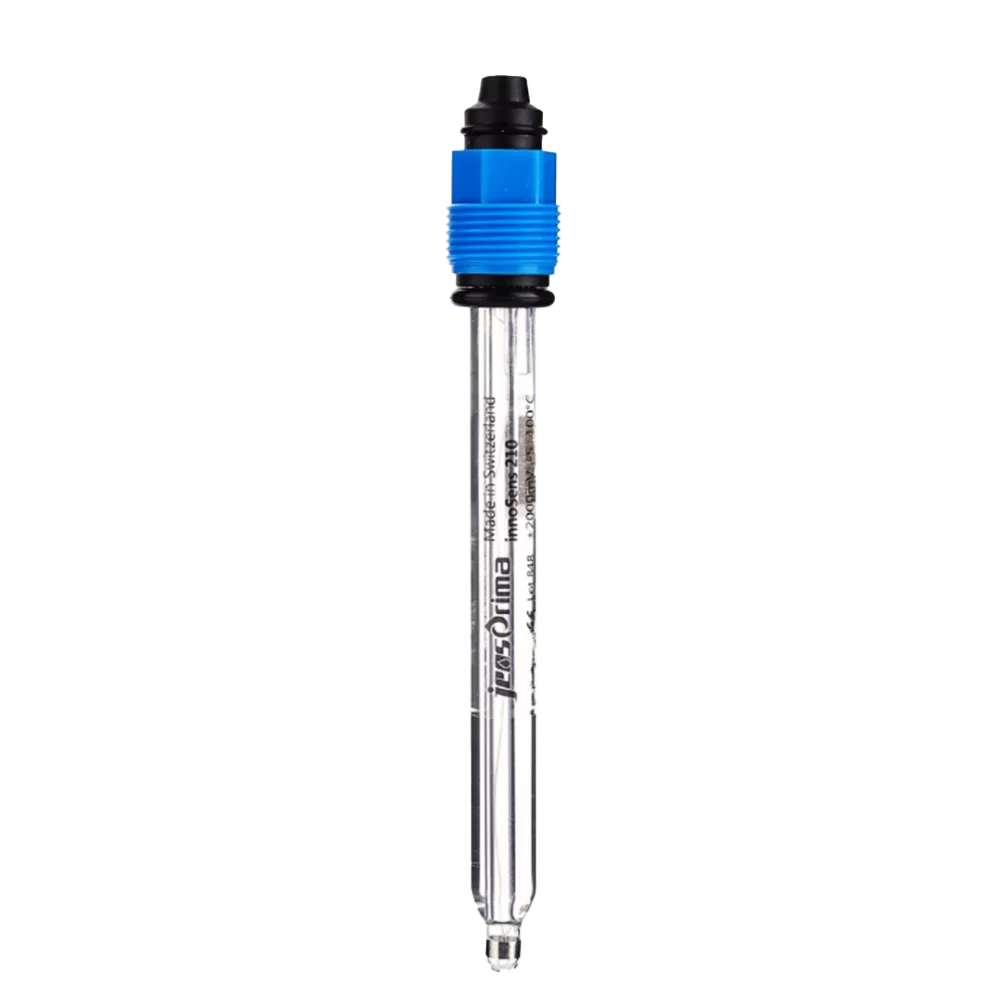
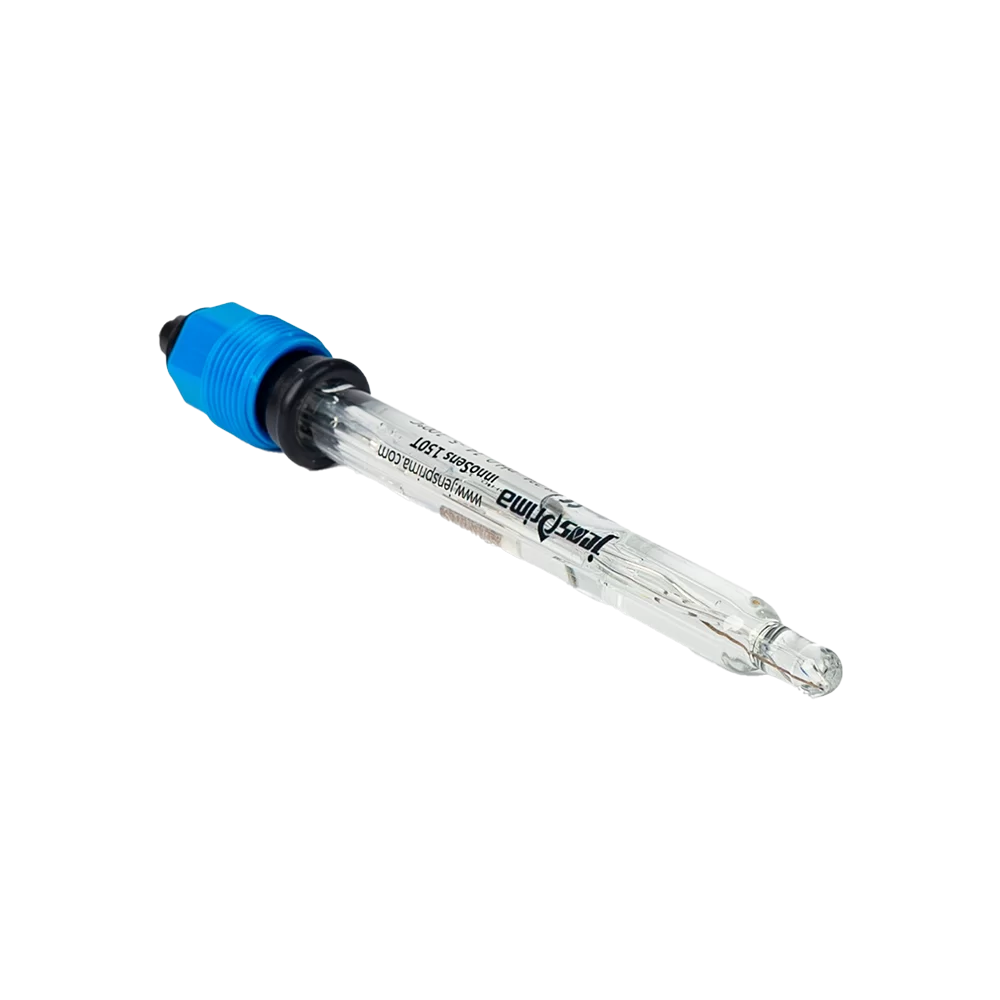
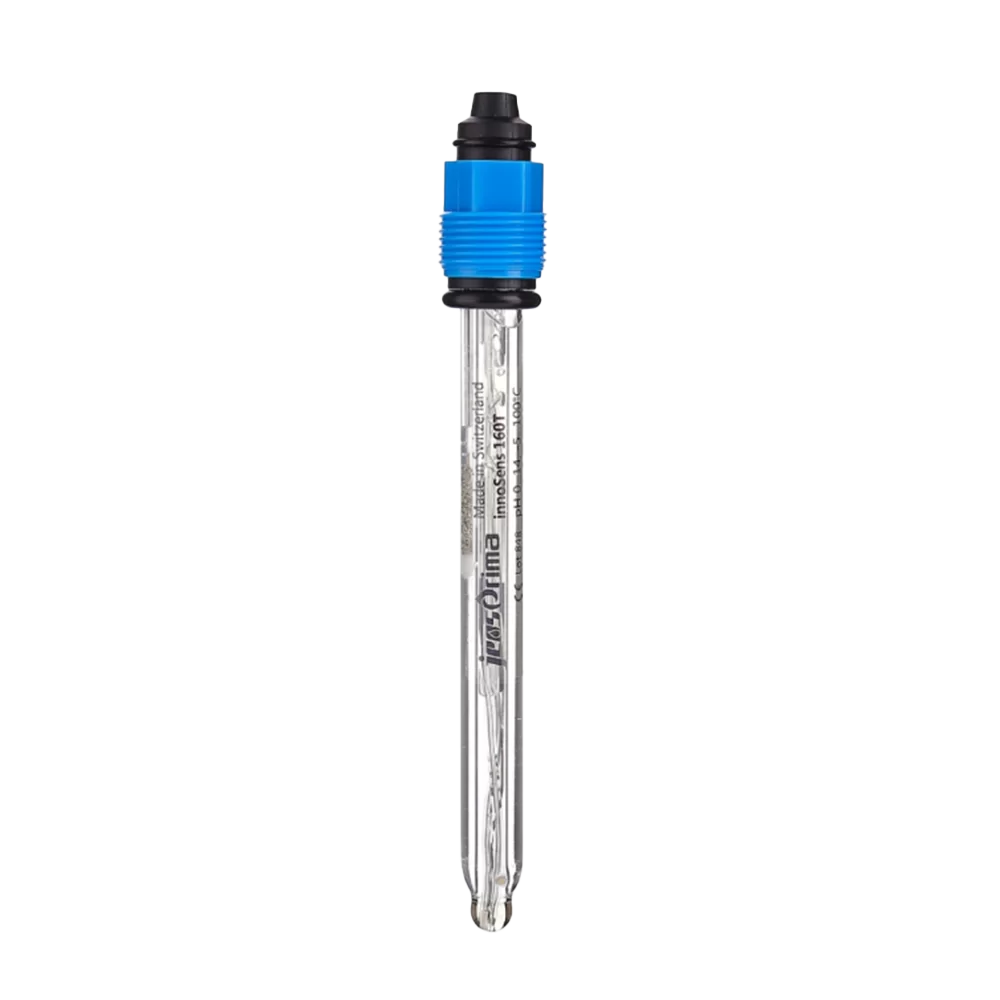
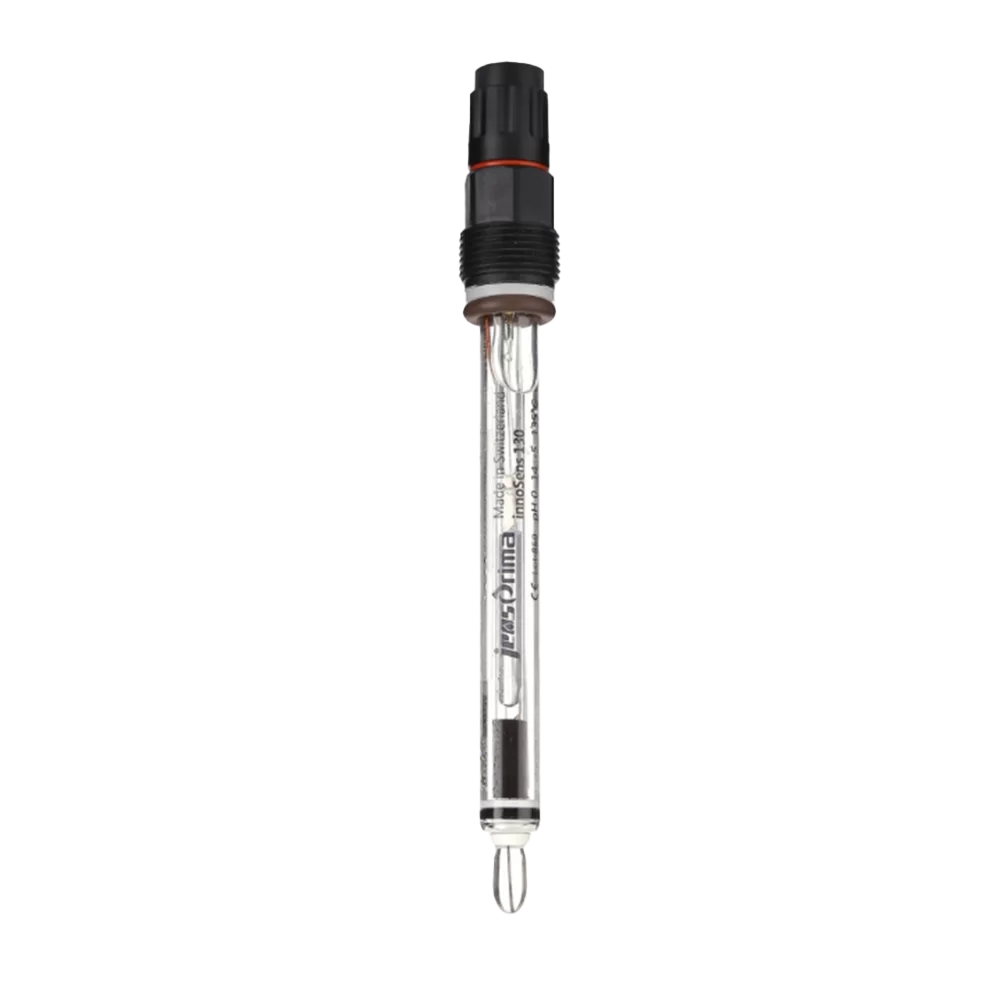
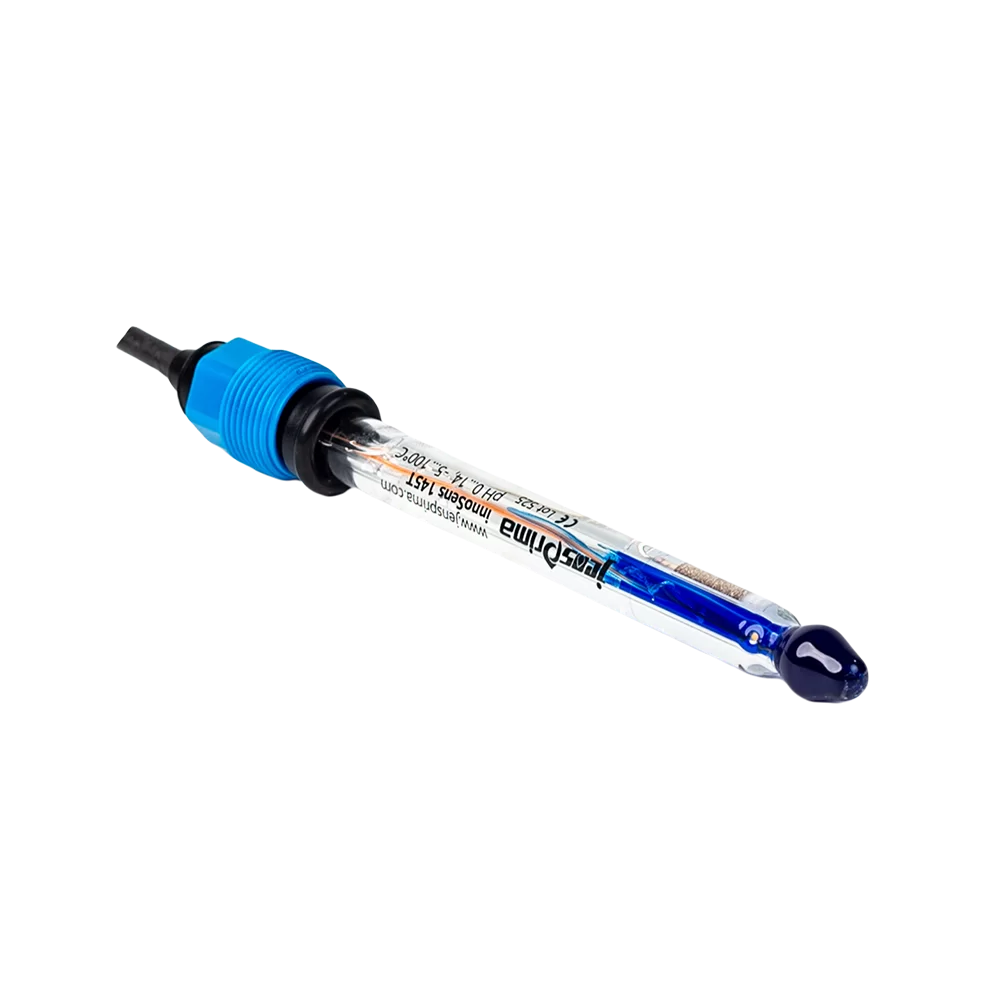
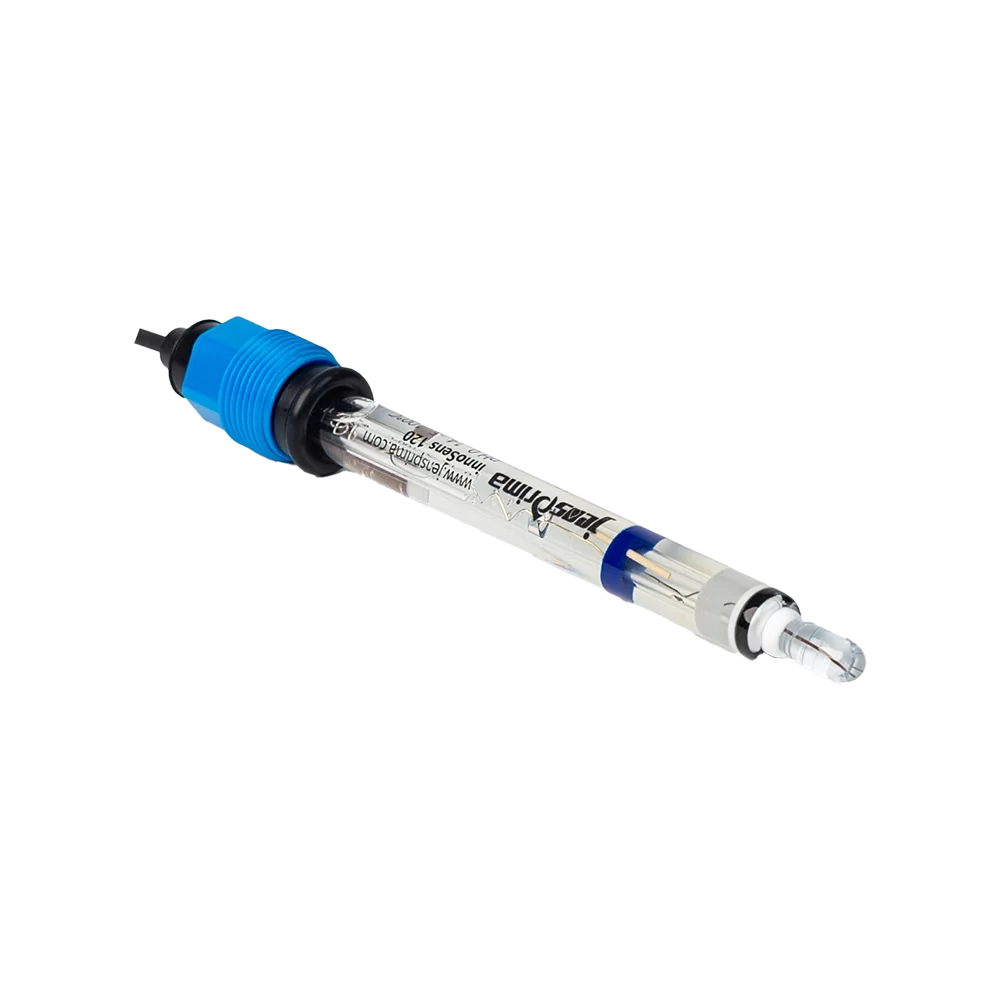
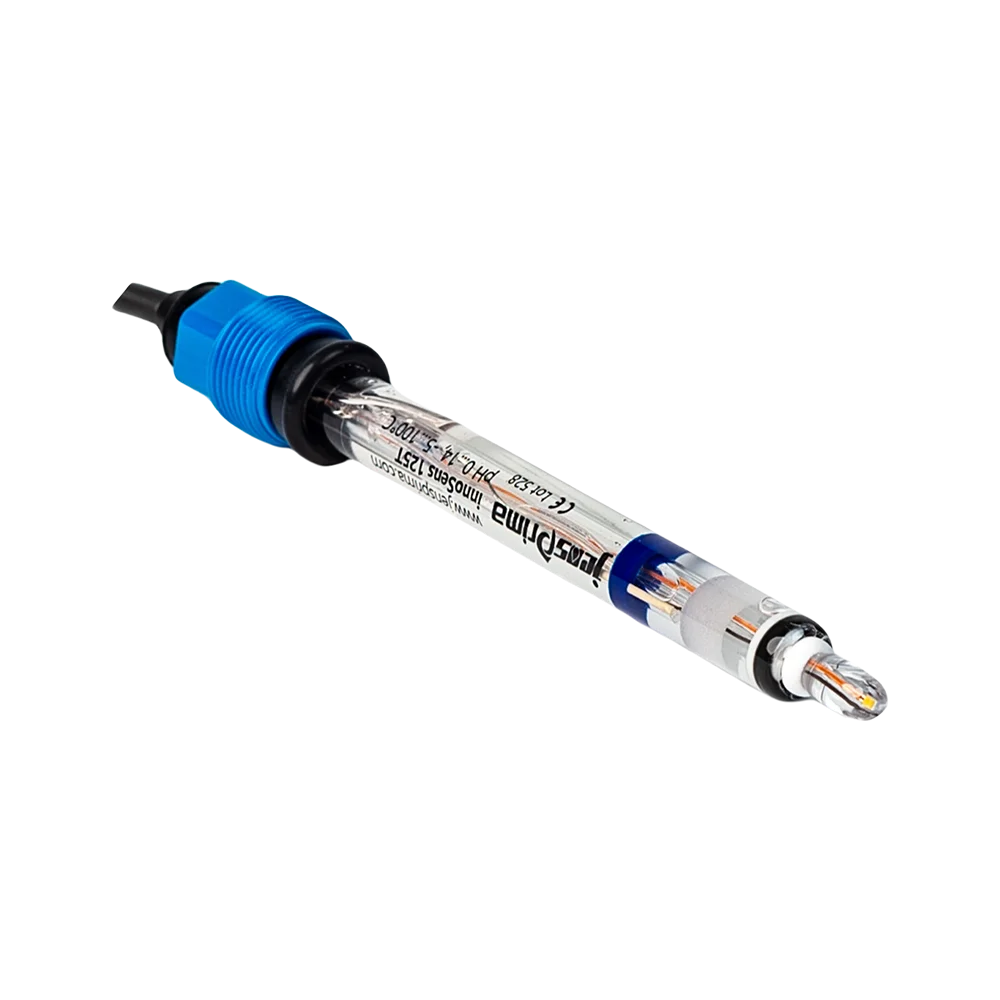
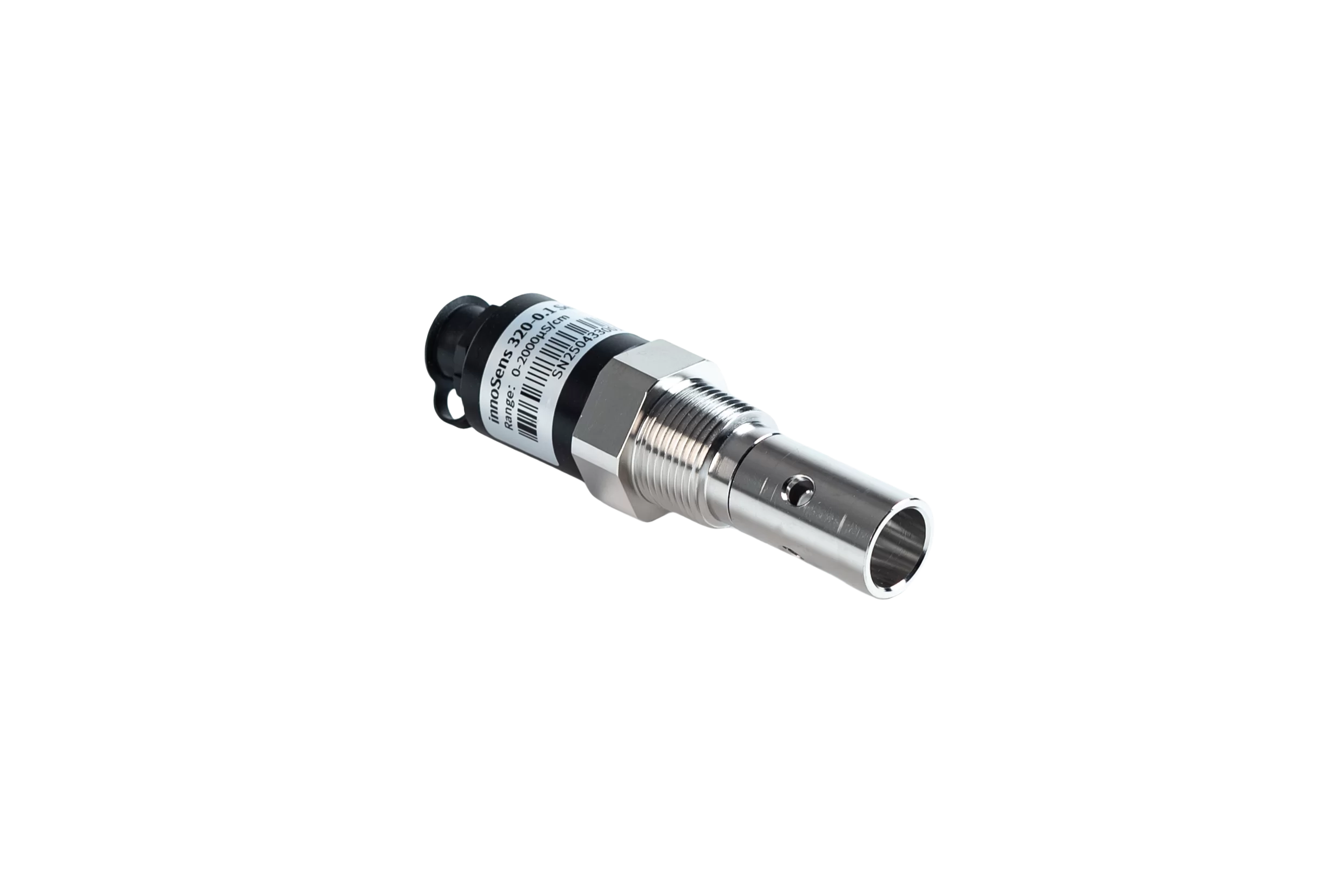
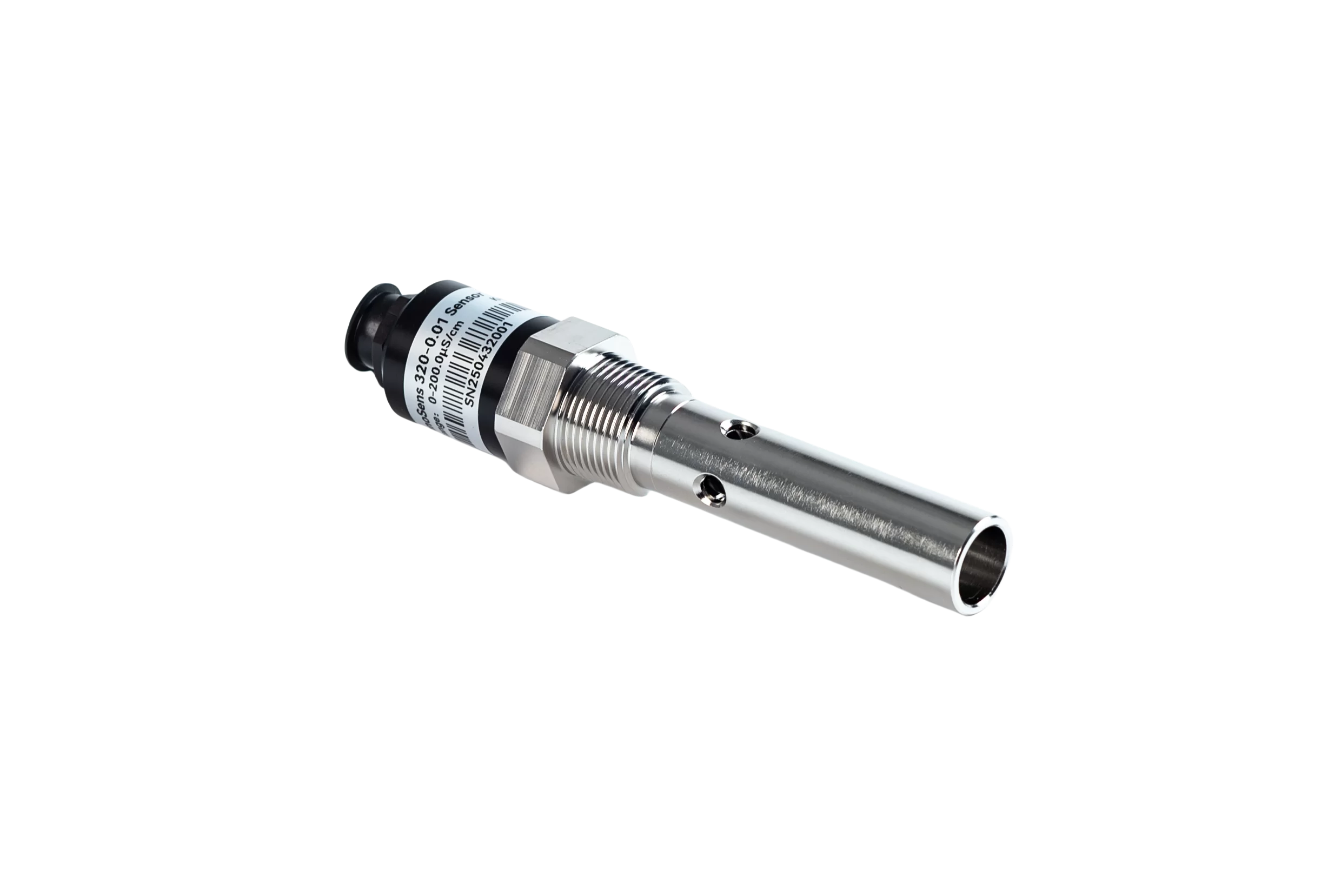
The foundation of any effective water quality analyzer lies in its sensors. These sensors convert a physical or chemical property of the water into an electrical signal that can be measured and interpreted. Different types of sensors are required for different parameters, such as pH electrodes, conductivity probes, and dissolved oxygen sensors. Calibration is crucial to ensure sensor accuracy; regular calibration with known standards is essential.
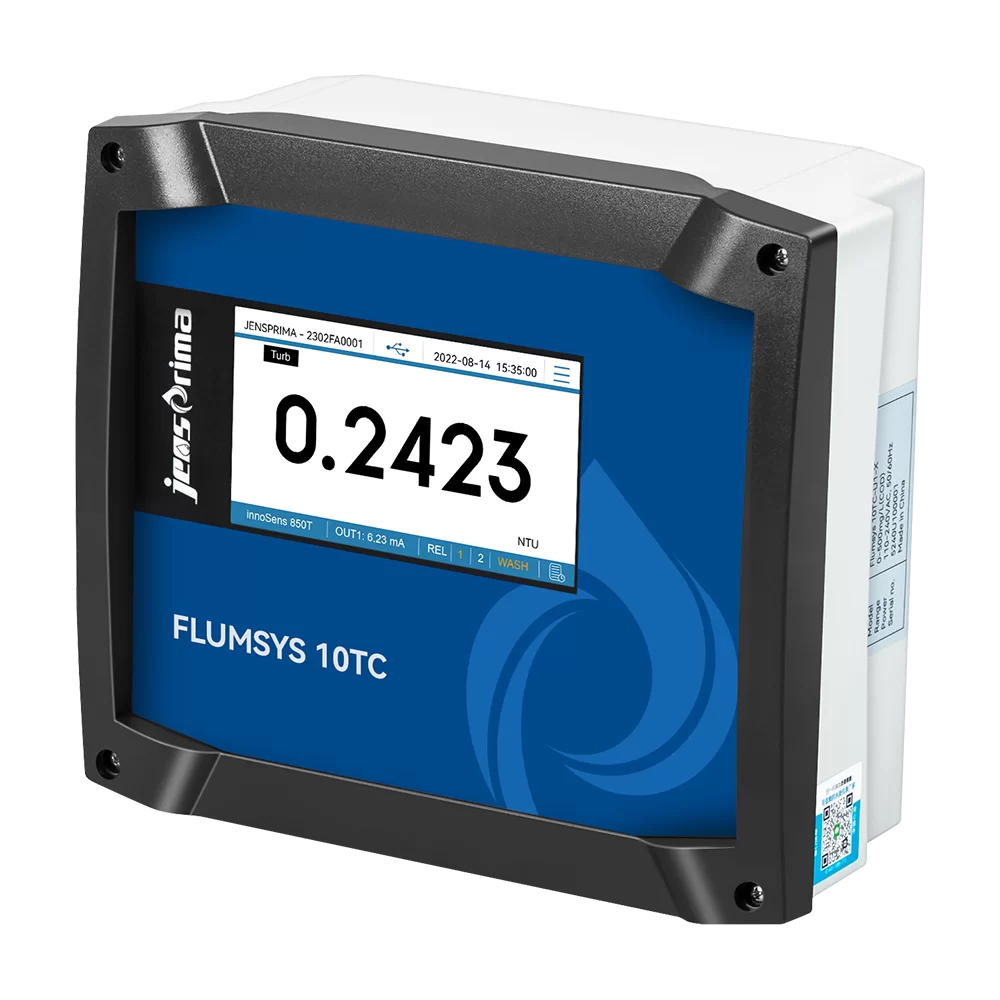
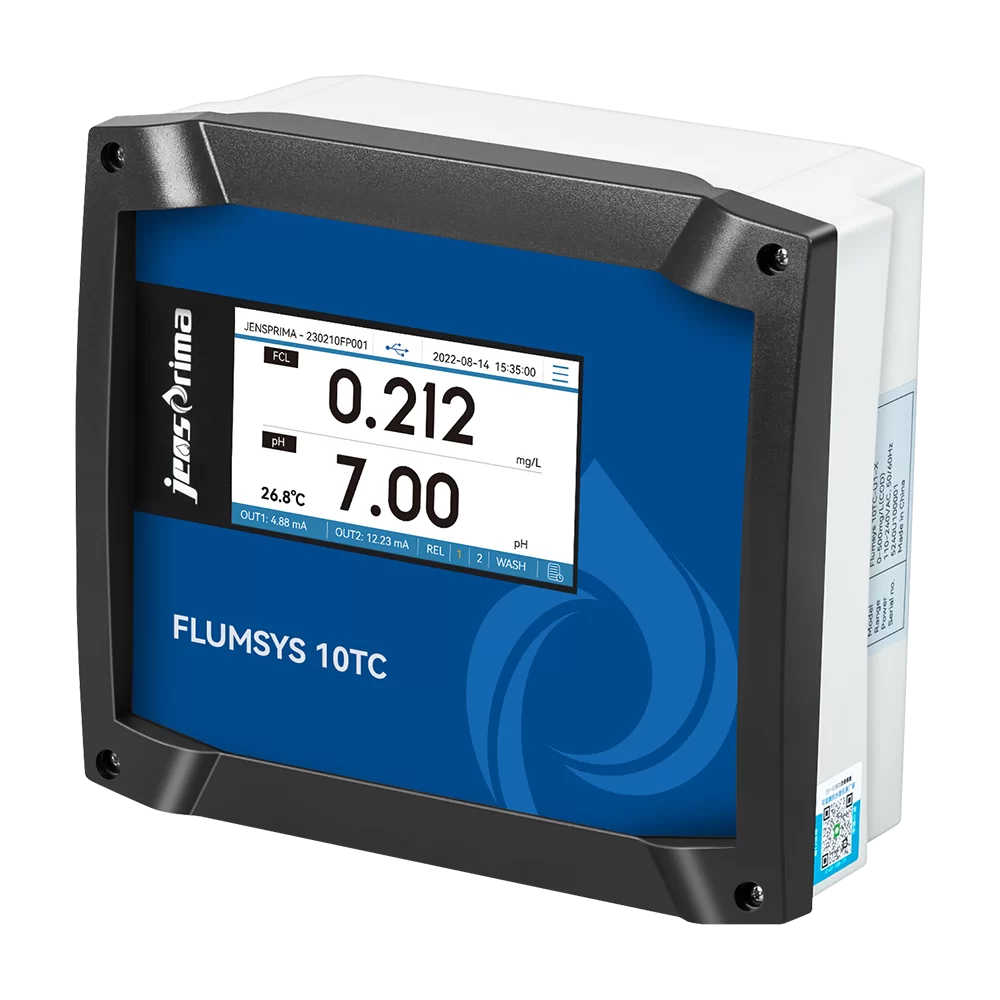
The data acquisition system (DAQ) is responsible for converting the analog signals from the sensors into digital data that can be processed by a computer. A robust DAQ system ensures high resolution and minimal noise, leading to more accurate results. The software component provides a user-friendly interface for controlling the analyzer, collecting data, and generating reports. water quality analyzers often incorporate advanced algorithms for data analysis and interpretation.
Comparative Performance of water quality analyzers Methods
Real-World Applications and Use Cases
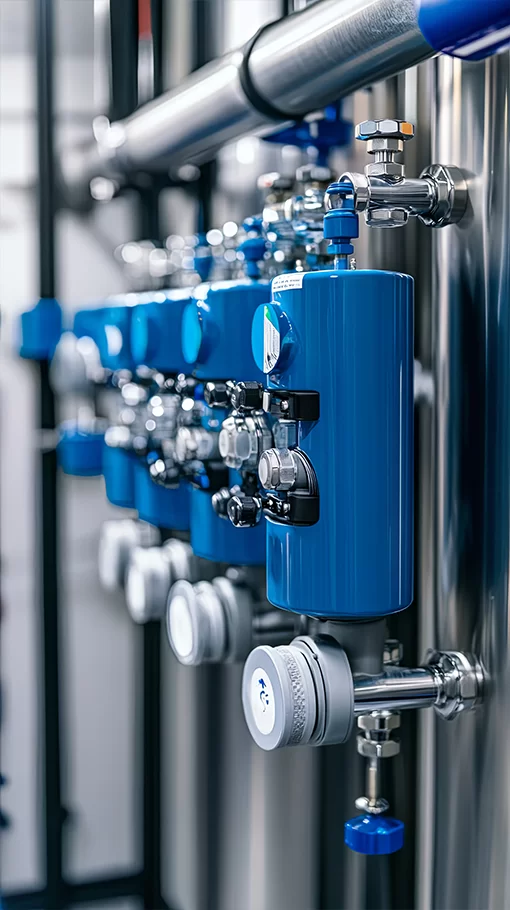
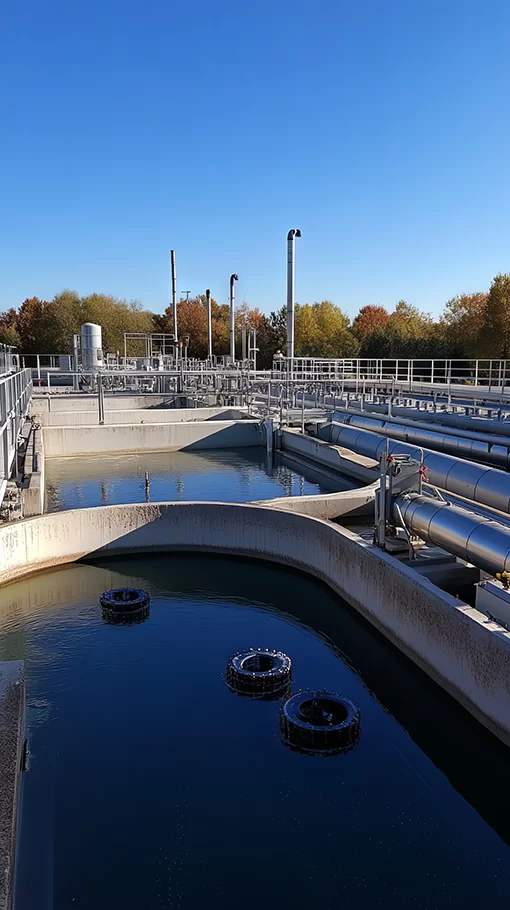
In municipal water treatment plants, water quality analyzers continuously monitor key parameters like pH, chlorine residual, turbidity, and dissolved organic carbon to ensure the water meets stringent safety standards. Environmental agencies employ these tools to assess the health of rivers, lakes, and oceans, tracking pollution levels and identifying sources of contamination. In post-disaster relief operations, rapid deployment analyzers are crucial for evaluating water sources for potability, preventing outbreaks of waterborne diseases.
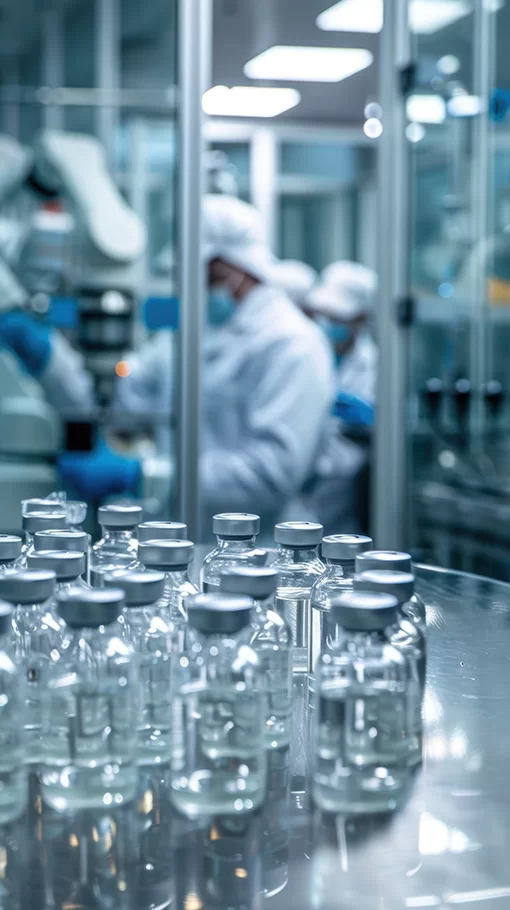
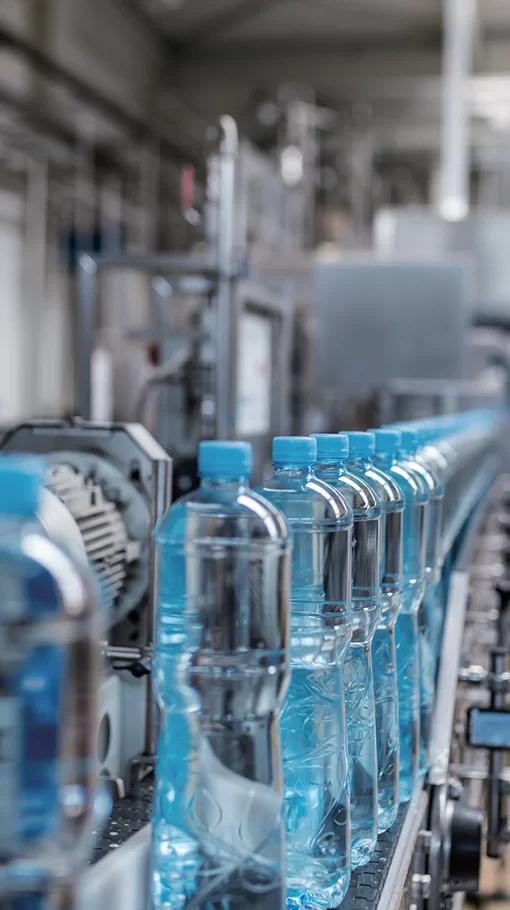
The food and beverage industry relies on water quality analyzers to ensure the purity of water used in production processes. Pharmaceutical manufacturers require ultra-pure water for drug manufacturing, demanding highly sensitive and accurate analytical techniques. In remote industrial zones, such as mining operations or oil and gas facilities, analyzers monitor wastewater discharge to minimize environmental impact and comply with regulatory requirements.
Advantages and Long-Term Value Proposition
The tangible benefits of utilizing water quality analyzers are numerous. Cost savings are realized through optimized water treatment processes, reduced chemical consumption, and prevention of costly contamination incidents. Sustainability is enhanced by promoting responsible water resource management and minimizing environmental impact. Improved public health outcomes result from the provision of safe drinking water and the reduction of waterborne diseases.
Beyond these practical advantages, there's a deeper sense of security and trust gained through reliable water quality data. Knowing that water sources are being consistently monitored and that potential threats are being proactively addressed fosters confidence in the safety and sustainability of water supplies. The innovation driving the development of new analytical technologies continues to improve our ability to protect this vital resource.
Future Trends and Innovations in Water Quality Analysis
The future of water quality analysis is leaning heavily towards miniaturization, automation, and real-time monitoring. The development of microfluidic sensors and lab-on-a-chip technologies promises to deliver highly portable and cost-effective analytical solutions. Integration with the Internet of Things (IoT) will enable remote monitoring and data collection, creating intelligent water management systems.
Green energy sources are being explored to power remote monitoring stations, reducing their environmental footprint. Artificial intelligence (AI) and machine learning algorithms are being used to analyze large datasets of water quality data, identify patterns, and predict potential contamination events. The increasing focus on sustainability and circular economy principles is driving the development of innovative water treatment technologies that minimize waste and maximize resource recovery.
Summary of Challenges and Solutions in Water Quality Analysis
| Challenge |
Impact on water quality analyzers Performance |
Proposed Solution |
Implementation Cost (Scale 1-10) |
| Sensor Drift |
Reduced Accuracy |
Automated Calibration Routines |
4 |
| Biofouling |
Interference with Sensor Readings |
Antifouling Coatings and Regular Cleaning |
3 |
| Limited Battery Life |
Reduced Monitoring Duration |
Energy-Efficient Sensor Designs and Solar Power |
6 |
| Data Transmission Challenges |
Delayed Data Availability |
Satellite Communication and Mesh Networks |
8 |
| Complex Data Analysis |
Difficulty in Identifying Trends |
AI-Powered Data Analytics Platforms |
7 |
| High Initial Investment |
Barrier to Adoption for Small Operators |
Leasing Models and Government Subsidies |
5 |
FAQS
Selecting the right water quality analyzer depends heavily on your specific application. Consider the parameters you need to measure, the sample matrix (e.g., freshwater, saltwater, wastewater), the required accuracy and precision, portability needs, and your budget. Factors like calibration frequency, maintenance requirements, and data management capabilities are also essential. It is crucial to choose an analyzer that meets your current needs while offering scalability for future requirements.
Calibration frequency varies depending on the analyzer, the sensors used, and the frequency of use. As a general guideline, calibrate your analyzer before each use or at least daily if used frequently. Some parameters, like pH, are more prone to drift and require more frequent calibration. Always refer to the manufacturer's recommendations for specific calibration procedures and intervals. Proper calibration is critical to ensuring accurate and reliable results.
Portable water quality analyzers are designed for field use, offering convenience and real-time data collection. They are typically smaller, lighter, and battery-powered, but may have slightly lower accuracy and precision compared to laboratory analyzers. Laboratory analyzers are more sophisticated instruments, offering a wider range of parameters and higher accuracy, but require a controlled laboratory environment. The choice between the two depends on your specific monitoring needs and the environment in which you'll be conducting the analysis.
Reliable water quality data relies on a combination of factors. Regular calibration of your analyzer is paramount. Proper sample collection and handling procedures are essential to avoid contamination or alteration of the sample. Implementing quality control measures, such as running duplicate samples and using certified reference materials, can help validate your results. Finally, maintaining accurate records of all calibration and sample data is crucial for traceability and data integrity.
Recent advancements include the development of microfluidic sensors, which offer miniaturization and portability; lab-on-a-chip devices for rapid analysis; and the integration of IoT for real-time remote monitoring. AI and machine learning are also being increasingly used to analyze large datasets and predict water quality trends. Furthermore, new spectroscopic techniques and electrochemical sensors are constantly being developed to improve the sensitivity and accuracy of water quality measurements.
The cost varies significantly depending on the scope of the program, the number of parameters being monitored, and the equipment selected. Initial costs include the purchase of analyzers, sensors, and data management software. Ongoing costs include calibration standards, consumables, maintenance, and personnel training. Leasing options and government subsidies can help reduce the initial investment. A thorough cost-benefit analysis is essential before implementing a program.
Conclusion
Water quality analyzers are indispensable tools in protecting our most valuable resource – water. From ensuring public health and environmental sustainability to supporting industrial processes and humanitarian efforts, these instruments provide the critical data needed for informed decision-making. The advancements in sensor technology, data analytics, and remote monitoring are revolutionizing the field, enabling more efficient and effective water resource management.
Investing in reliable water quality monitoring programs is not just a responsible practice; it's a necessity for a healthy future. By embracing innovative technologies and fostering collaboration between stakeholders, we can safeguard water resources for generations to come. Visit our website at www.jensprima.com to explore our range of advanced water quality analysis solutions and learn how we can help you protect your water supplies.


 Download
 Video Center
 Technical Services
 FAQS
FAQS Service Network
 Privacy Policy
 Contact Us